
Highlight

Articles by tag:
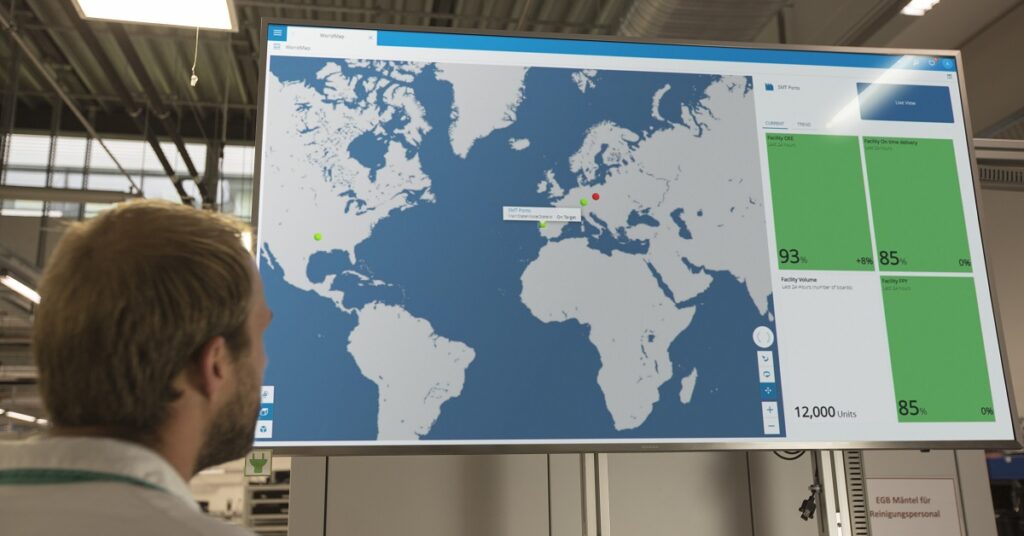
How does one implement an MES across multiple manufacturing plants, separated not just geographically but perhaps by operational style, IT infrastructure, work culture, and process technology?


After being named as a leader in the 2021 Gartner Magic Quadrant for MES, our MES scored highest out of 19 vendors evaluated for “Batch/Repetitive Flow Manufacturing”, “Complex Discrete Manufacturing” and “Highly Regulated Industries”. We are proud to say that our modern MES ranked highest for the complex manufacturing styles it was designed for.

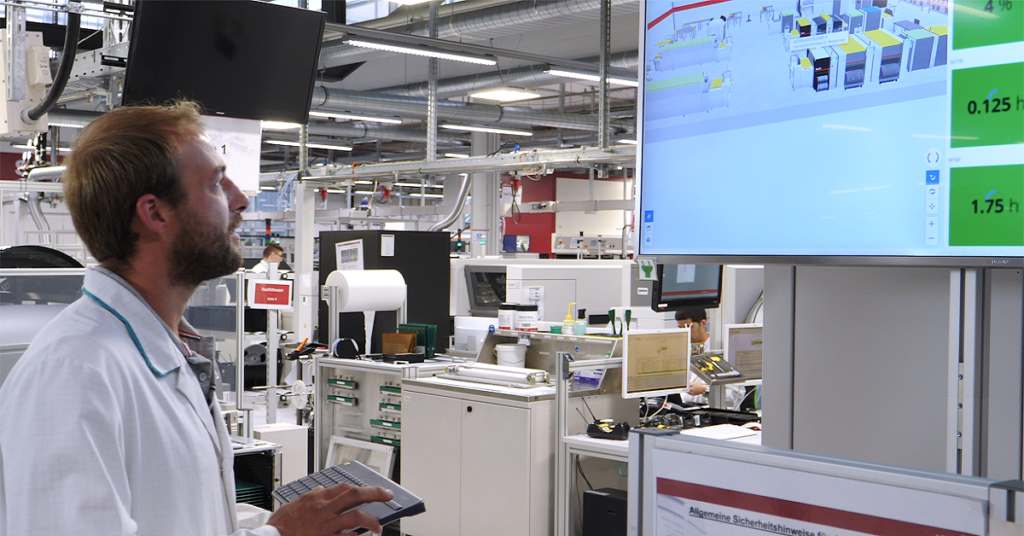
A modern MES is capable of providing manufacturers much more than traceability; in fact, the right MES data platform, which is IIoT enabled and has the capability of integrating with IT applications both from automation layer to the ERP/SCM/WMS layer, can act as the cornerstone to successfully answer market needs.


While 3D printing or additive manufacturing has vast potential in reducing lead times for discrete and customized manufactured products/parts, it is vital that the MES being used to usher in the technology is ready for the changes which will occur across the value chain, in order to ensure that the true potential of the technology and other Industry 4.0 technologies being used in tandem are realized.

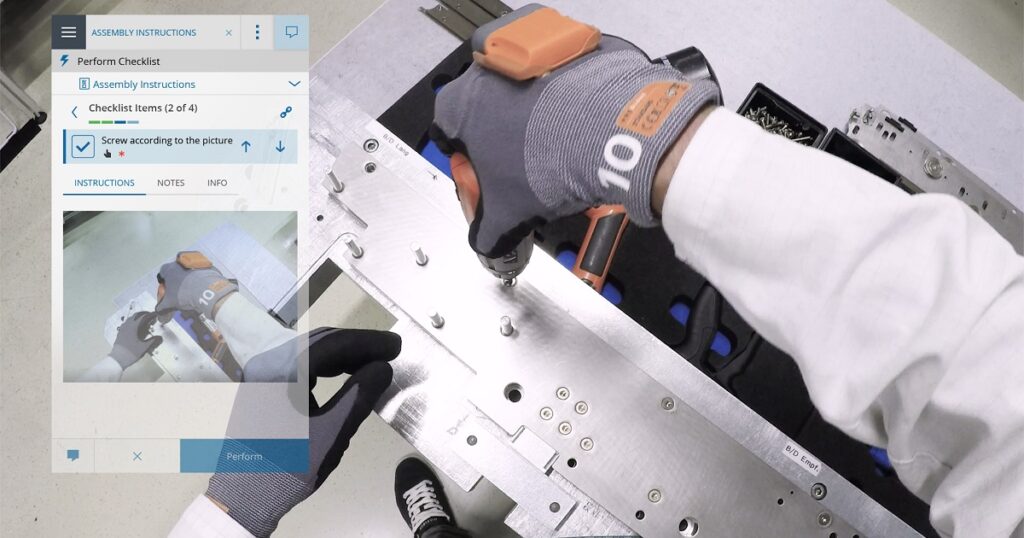
If you have the right MES application deployed, the speed of your digitalization efforts does not need to be subject to your employee’s skill development; it can be done simultaneously and organically to deliver the best results. Having the right MES will help your organization harness your specific and unique organizational knowledge, and develop a new stream of knowledge.

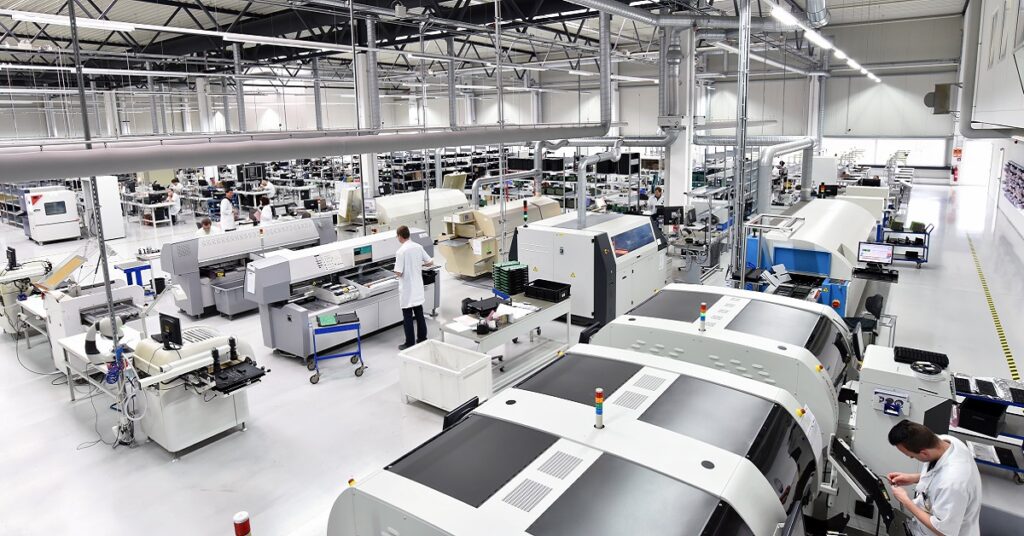
There has been an uptake in Line Automation and Management Technologies, such as MES, in SMT. The automation and digitization of manufacturing and assembly lines is seen as a priority by industry leaders, and those who have acted now stand to gain far more than ones who choose not to.

The Automated Validation approach is crucial in helping companies to reduce the time and cost of their validation efforts by at least 60-70%.


Critical Manufacturing hosted a webinar with Julie Fraser, based on a survey of over 300 executives from around the world. It explored how the leaders are pursuing data management and what should be the priorities related to data management in manufacturing.


What in the world does the IKEA effect have to do with software, and more specifically with MES? A truly modern MES application should, by virtue of its design, have the IKEA effect built in and as a part of its standard outlay.