
Electronics Manufacturing

Move beyond disconnected point solutions to gain real-time operations visibility and drive down costs.

Download Brochure

Electronics Manufacturing

Move beyond disconnected point solutions to gain real-time operations visibility and drive down costs.

Download Brochure

Accelerating digitalization in Electronics manufacturing

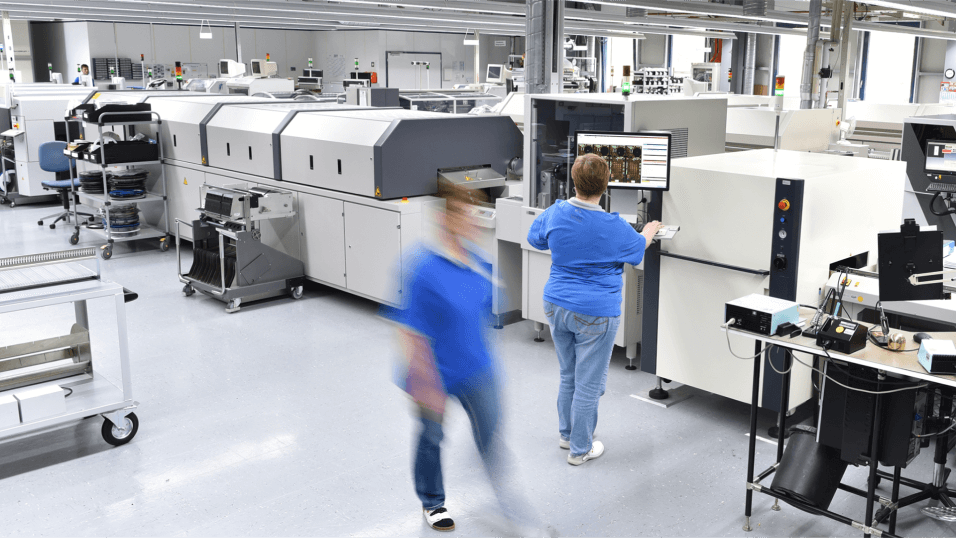
Critical Manufacturing’s modern MES helps Electronics manufacturers accelerate their digital initiatives to speed production and lower the cost of innovation while being flexible and agile enough to produce a high variation of production mix, complexity and volumes at the highest quality. Digitalization is a necessity for Electronics manufacturers to gain a holistic, enterprise-wide view of manufacturing operations to remain competitive.

Moving from point solutions to a fully integrated smart factory

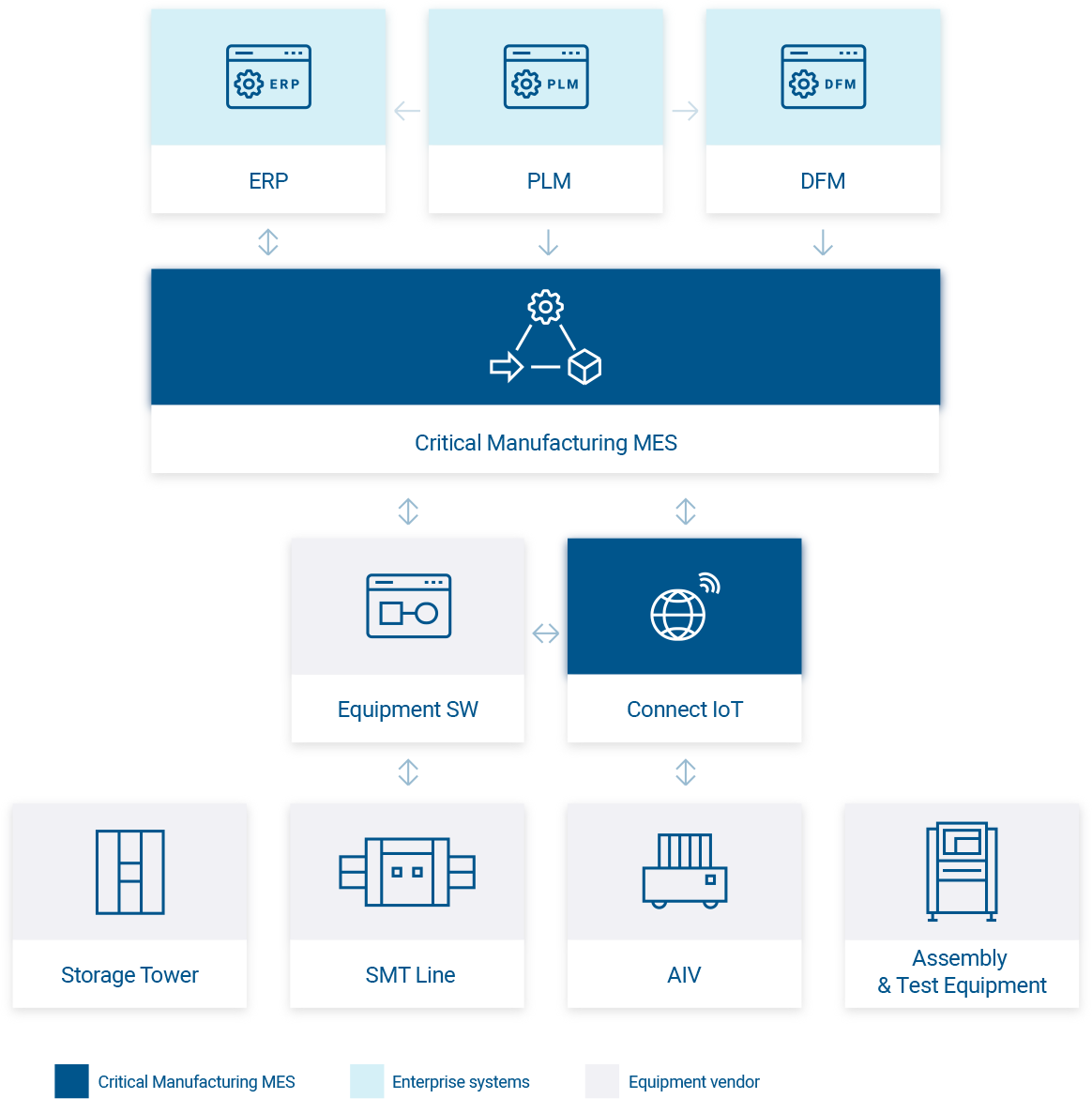
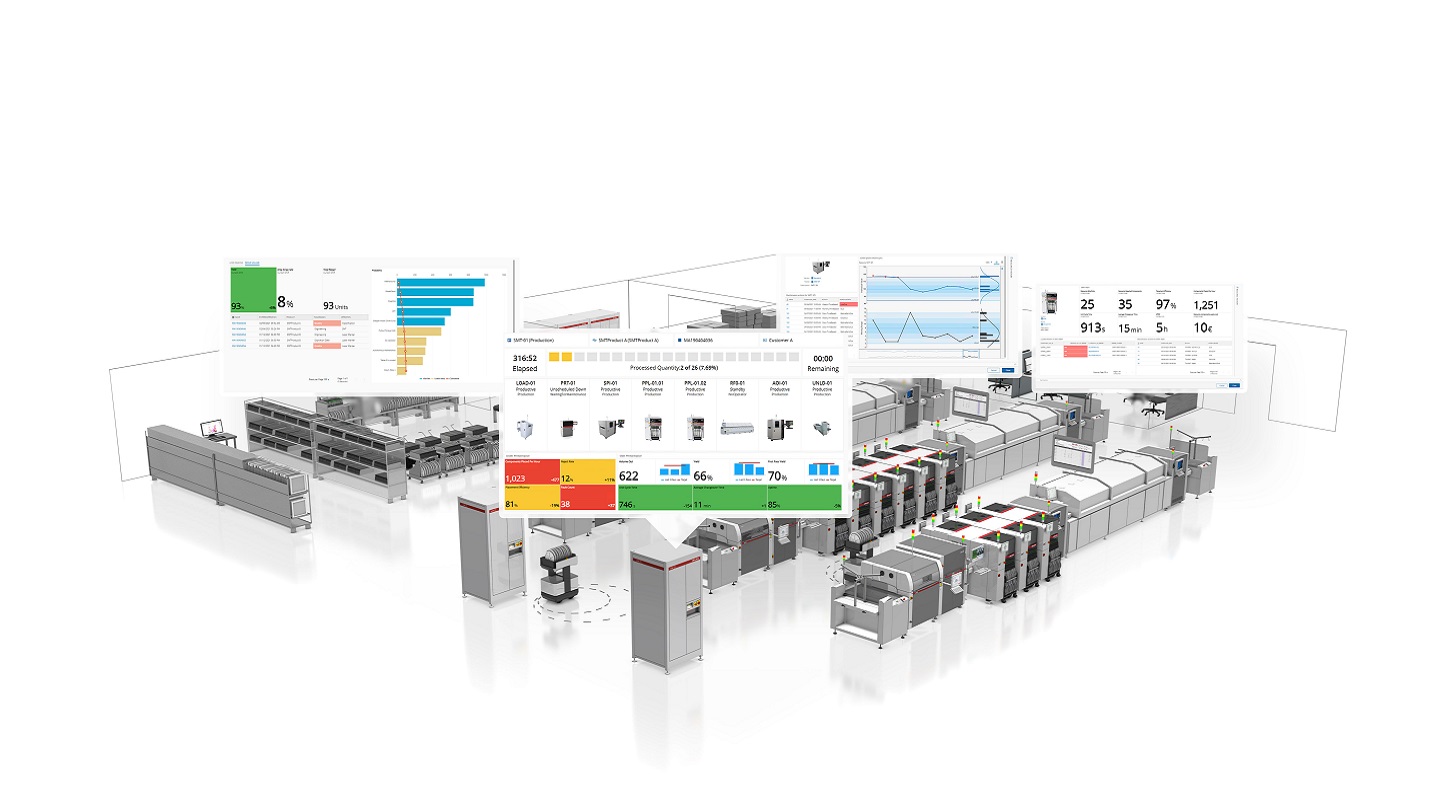
Critical Manufacturing MES for Electronics manufacturing addresses the unique challenges of OEM, EMS and PCB manufacturers, supporting the strategy to replace multiple disconnected point solutions with one, fully integrated factory system. Critical Manufacturing MES seamlessly operates across multiple functional areas and roles with easy connectivity to all equipment types and factory systems.

Connect IoT provides seamless connectivity and integration, regardless of the equipment type or machine interface. It performs automated data collection, controls equipment with commands to initiate and perform process steps and also automates and controls maintenance activities, with real data from any connected equipment, to prevent inconvenient stoppages and to keep raw materials at the perfect pace for your shop floor. Combine real-time equipment and process monitoring with accurate live OEE visualization of quality and performance across the supply chain.

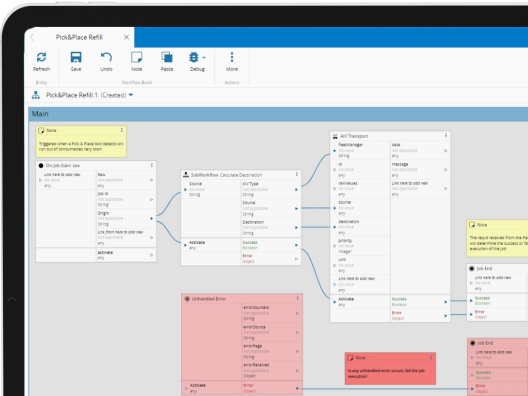
The Factory Automation module is a factory-level workflow system that responds to factory events in real-time and orchestrates a wide variety of different applications, systems and subsystems. Using Connect IoT to seamlessly integrate new and legacy equipment and devices, Factory Automation can automatically react to any factory event or execute any type of short or long-running job, including control of autonomous transport systems. Handle fully automated, mixed and manual scenarios, adapt and progressively increase your automation capabilities to reduce your reliance on human intervention while increasing resiliency, efficiency, quality and safety.

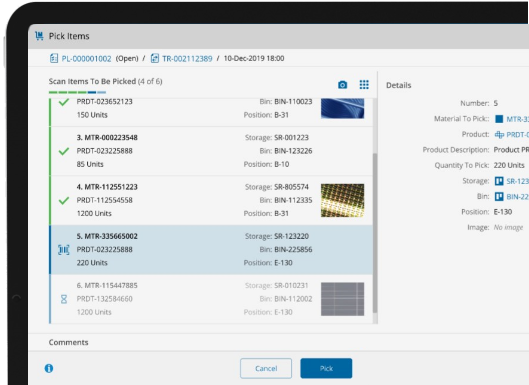
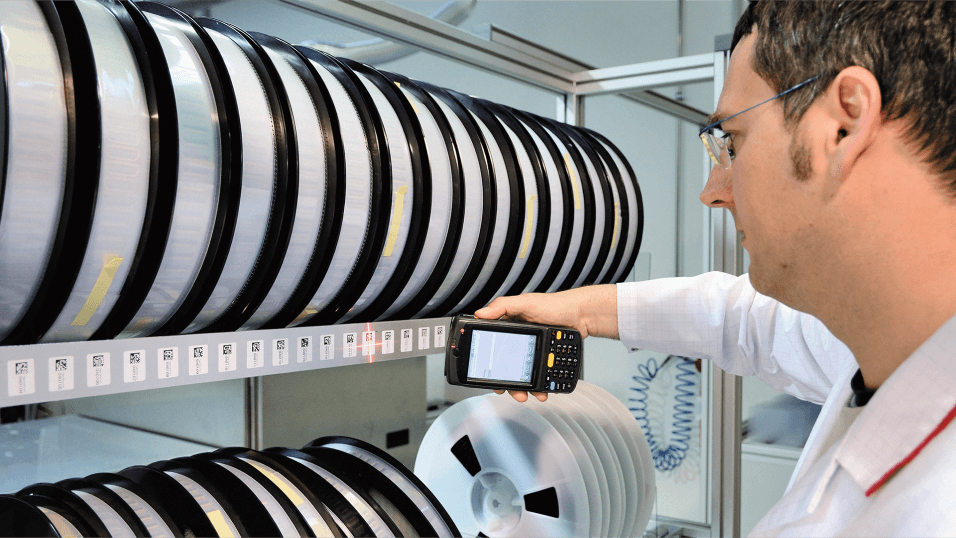
Material Management is vital in the production cycle of a plant to make sure that the right materials are available in the right quantities at the right time. Critical Manufacturing MES minimizes waste by delivering kitted materials to the line based on real-time pull signals from machines. Prioritize the selection of time sensitive and MSD material at the warehouse, enforcing FIFO and/or FEFO rules; automate material tracking and consumption to create an efficient flow of materials, and avoid equipment downtimes due to material shortages, material starvation and excess material inventory.

Complete and accurate material and process traceability is no longer optional in electronics manufacturing, driven by the strict regulatory requirements of customers in highly complex discrete industries such as Automotive, Aerospace and MedTech. Critical Manufacturing MES supports all types of batch, lot, panel and board configurations providing full product genealogy to support manufacturers to quickly firewall, identify and repair any quality issues. Reduce WIP and enforce the execution of the material route and associated processing configurations with full material traceability and genealogy. Ensure complete end-to-end electronic traceability from incoming raw materials to finished goods, across automated and manual workstations and SMT lines, including tracking the individual component unique identifiers (UID) at the board or panel level.

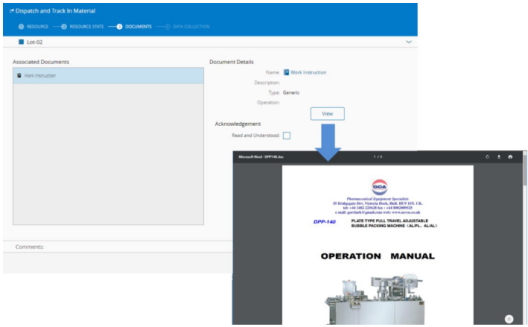
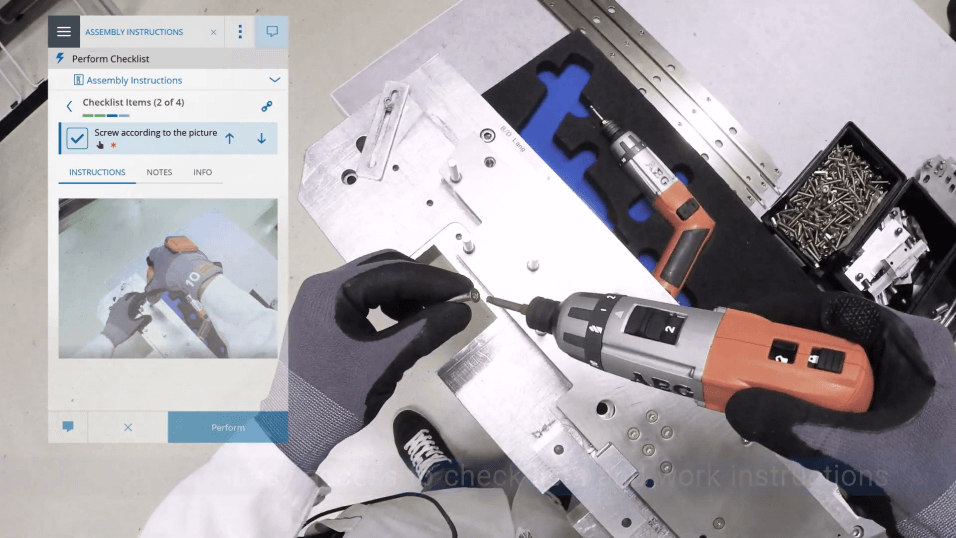
Frequent setup changeovers and high mix manufacturing are characteristics of modern and efficient production environments. Minimize changeover times while assembly interdependencies are streamlined and errors or delays in the setup process are prevented. Complete setup awareness with all materials programs, feeders, work instructions and certified operators being verified and validated based in one common data set for quality assured production. Advanced Scheduling ensures the right people, material and resources are available to optimize production throughput. Use intuitive Work Instructions or design your own configurable and mobile-ready GUIs to interactively guide operators through detailed product and process steps.

Configure and track all types of equipment including process, inspection, test, transport and storage. Use Scheduling or flexible dispatching rules to match manufacturing orders with equipment. Maintenance Management handles preventive and corrective equipment maintenance, tracking and consumption of spare parts and also performs equipment qualification on a time or condition basis.

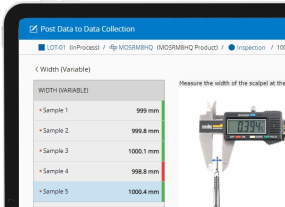
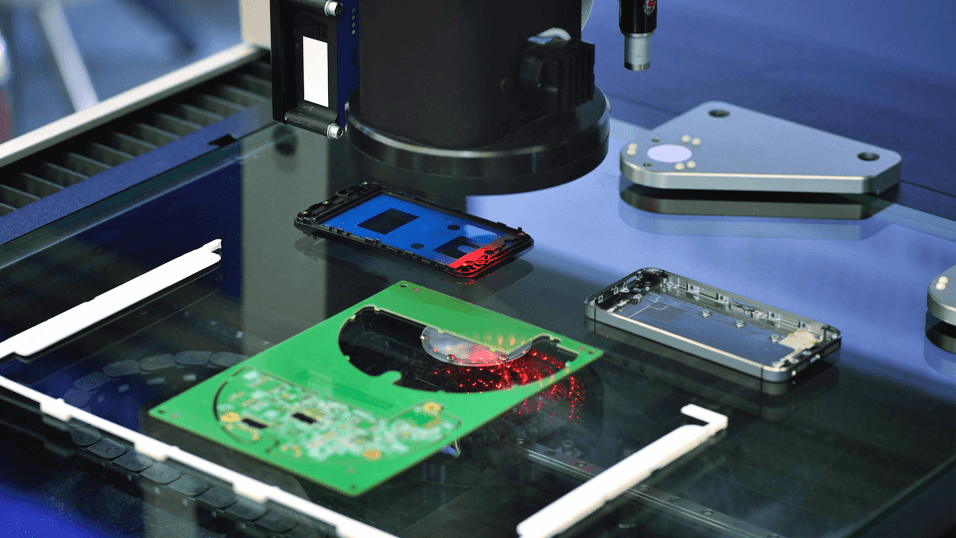
Fully integrated Quality Management capabilities ensure an error-proof production process and reduced scrap. Prevent serious quality escapes with real-time data collection and traceability,  closed loop failure analysis, defect management and repair, non-conformance reporting and operator certification. Document Management ensures that only approved documents are used and Statistical Process Control (SPC) automatically reacts to in-line process deviations and takes decisive action. Determine the Acceptable Quality Level (AQL) of any component with fully configurable and automated Inspection and Sampling plans. Use standard operational dashboards to control your production in real-time and take action when needed.

Create and rapidly deploy a single baseline MES across multiple sites, enabling standardization, exchange and re-use of manufacturing information assets. Consisting of principles, guidelines, models, business rules, configurations and customizations that are applicable to the enterprise, each site maintains the flexibility to model the standard MES to their own specific business processes to respond quickly to changing business requirements.

Advanced MES capabilities for Electronics Manufacturing

Critical Manufacturing MES ensures a modular, yet fully integrated management of shop-floor resources.  The 40+ product capabilities provided by more than 20 modules are fully interoperable and give you real-time visibility and control across global manufacturing operations.

TIP: Click on the selected modules for more information.

icon_manufacturing_operations Manufacturing Operations
Materials & Containers
Resource Tracking
Routing & Dispatching
Data Collection
Master Data Management and Change Control
Tasks & Checklists
icon_visibility_and_intelligence Visibility & Intelligence
Dashboards
BI Cards
Data Warehouse
fabLIVE: Factory Digital Twin
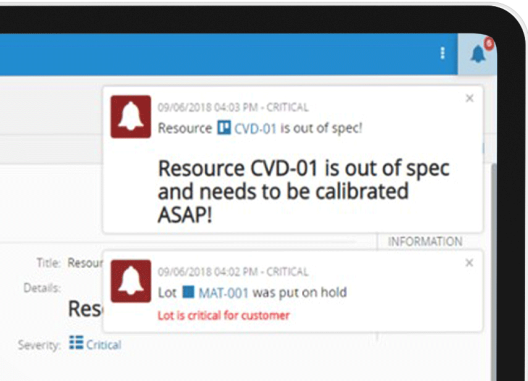
Alarm Management
Augmented Reality
icon_quality_management Quality Management
Sampling Based Inspection / AQL
Statistical Process Control (SPC)
Non-Conformance Management
Document Management
New Product Introduction (NPI)
Operational Efficiency
Maintenance Management
Order Management
Labor Management
Costing
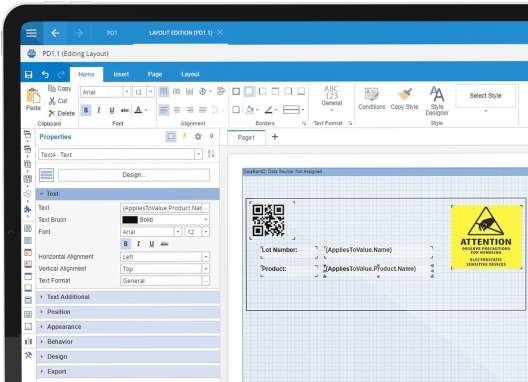
Advanced Layout & Printing
Material Logistics / MSD & Floor Life Control
icon_automation_and_integration Integration & Automation
Enterprise Integration
Equipment Integration: Connect IoT
Recipe Management
Factory Automation

Improve the speed of learning with new data insights

With increasingly intelligent sensors, devices and equipment, an Electronics plant can generate a staggering amount of data. The Critical Manufacturing IoT Data Platform is a highly scalable event ingestion mechanism that can route events to multiple stream processing components for real-time processing and batch processing for less time critical analysis. Identify the root causes of issues and improve speed of learning to improve yield performance and reduce the ramp up time of new products, technologies, equipment, processes, materials and more.

Learn more

One of the benefits of working with Critical Manufacturing is the extensive knowledge they have integrating SMT processes in their MES.

Rui Castro Project Manager at Preh Group
Alois Schacherl Profile_282x376px_2

Without the right partner it’s impossible to achieve our goals. Together with Critical Manufacturing we have a phase and sprint approach to cover all our needs in a very tough time frame.

Alois Schacherl Group Manager, IT Manufacturing Services AT&S
Thomas Amrein Profile_282x376px_14

We approached several software vendors but chose Critical Manufacturing because it has a modern, object-oriented approach and offers functional and technical fit, flexibility and an excellent return on investment.

Dr. Thomas Amrein VP Planning & Systems Passives and Business Process Owner Planning and Manufacturing

Seize the benefits on your shop floor

Many Electronics manufacturers’ experience of MES is dated or based on a limited set of functionalities. The Critical Manufacturing MES delivers many more benefits for enterprise-wide knowledge intensive production.

Integrated functionality

Make rapid, confident decisions and actions based on comprehensive integrated functionality.

Learn more
Fast learning for faster decisions

Learn faster with deep understanding to transform business outcomes with the power of an integrated IoT Platform and advanced analytics.

Learn more
Versatility

Confidently migrate from point solutions to a holistic, enterprise wide MES.

Learn more
Flexibility and agility

Gain flexibility and agility to respond to market shifts, customer requests, and R&D with robust configuration and rollout capabilities.

Learn more
Real-time visibility

Increase visibility across operations and resolve issues faster with end to-end traceability.

Learn more
Optimized workflow

Boost performance to increase yields, reduce WIP and inventory and improve OEE.

Learn more

Insights for transformational leaders in manufacturing

Press Release
Critical Manufacturing Recognized as a Leader in 2023 Gartner® Magic Quadrant™ for MES for Third Consecutive Year

Brochure
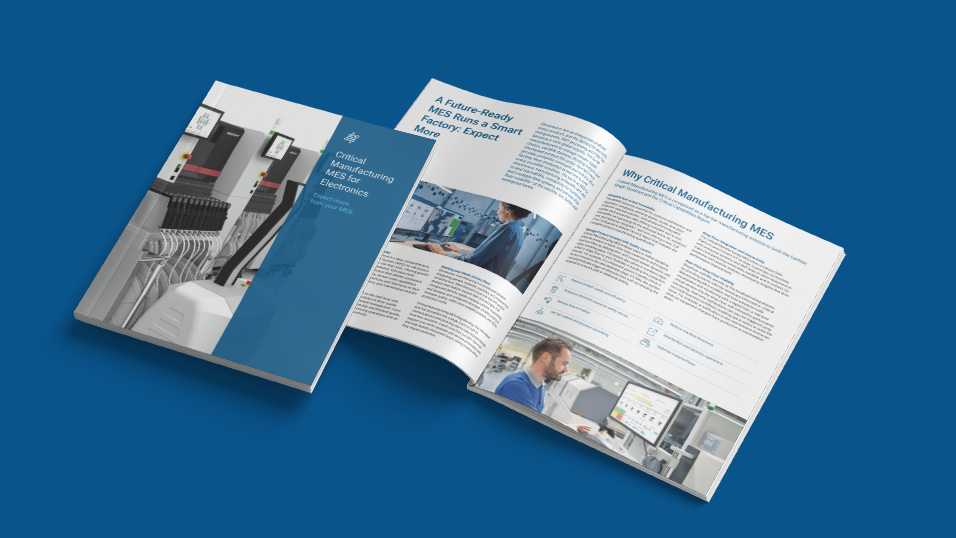
Critical Manufacturing MES for Electronics

A future-ready MES runs a smart factory: Expect More

Webinar
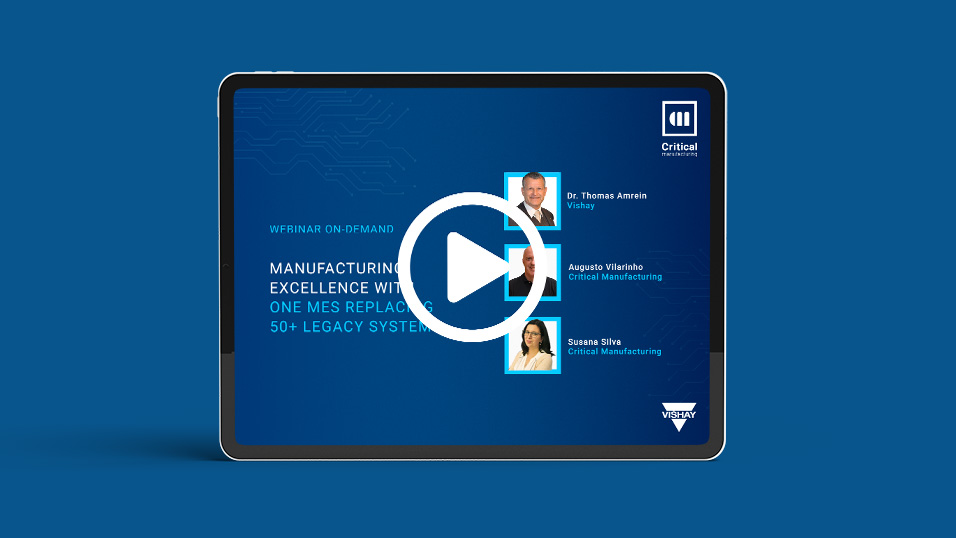
Manufacturing Excellence with One MES Replacing 50+ Legacy Systems

How to develop, standardize and roll out a new MES to very different sites

White Paper
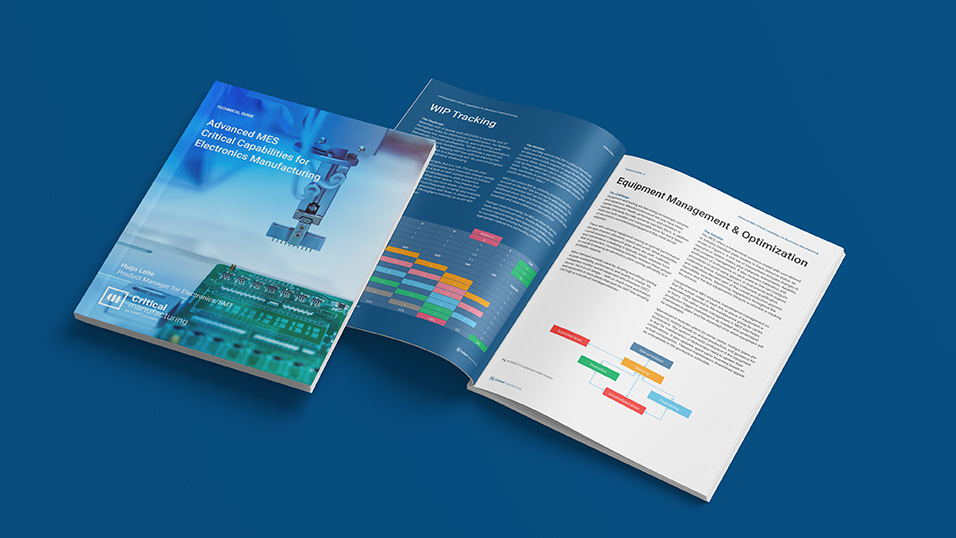
Advanced MES Critical Capabilities for Electronics Manufacturing

How a MES solves 15 different electronics industry challenges

Woman looking at "Making Industry 4.0 a Reality" article of Critical Manufacturing, in a Electronics lab.
Blog
Automation, Intelligence and Agility – the Future of Electronics Manufacturing explained

Electronic Manufacturing value chains are reeling under uncertain market conditions that punctuate the market today and are seeking solutions to make their operations more resilient and insulated from ever emerging risks.

8 reasons why manufacturing IIoT projects fail
eBook
8 Reasons Why Manufacturing IIoT Projects Fail

What are the common challenges with IIoT projects? Can you avoid them?

A guide to manufacturing data analytics
White Paper
A Guide to Manufacturing Data Analytics

Unlock hidden insights in your data and turn them into action

Frequently Asked Questions

What makes Critical Manufacturing special for electronics manufacturing?

Electronics manufacturing runs high mix, short lifecycles, and dozens of connected processes, and most platforms only cover part of that picture. Critical Manufacturing gives you both the depth and the breadth: one connected view from incoming raw materials to finished goods, with traceability down to the component level aligned with IPC-1782, so every process and every piece of equipment on your floor works off the same operational picture instead of several disconnected systems. Combined with an extensive library of out-of-the-box equipment integrations, it’s built for the reality of high-mix production and frequent changeovers.

Because they solve different problems. SMT software optimizes how one line runs; MES connects that line to the rest of the factory and the product’s entire lifecycle (wave solder, coating, test, box build, and repair) with traceability that stays connected across every system instead of breaking into isolated islands. If your customers are in automotive, aerospace, or medtech, this matters even more: line-level traceability typically ends at the board, but OEM customers and auditors increasingly require product-level genealogy that only an MES provides.

The system captures what goes into every assembly step, component lots into each PCBA, PCBAs and any other materials into each final unit, so genealogy builds automatically as production happens, not reconciled after the fact. If a defect surfaces after shipment, you can trace it back to the exact component lot and firewall the issue immediately instead of guessing at scope.

Material Management delivers kitted materials to the line based on real-time pull signals, enforces FIFO/FEFO rules automatically (critical for moisture-sensitive components), and tracks consumption in real time so shortages, starvation, and excess inventory get caught before it happens.

Yes, including equipment from different vendors, not just different station types. Connect IoT handles connectivity regardless of equipment type or interface, from industry standard protocols like IPC-CFX to vendor-specific ones like ASMPT OIB, so automated SMT lines, manual assembly, and test stations all report into the same system. Work instructions can be delivered through intuitive, configurable, mobile-ready interfaces, which matters if a meaningful share of your stations are manually operated.

Yes. Access can be configured at the product level, so each customer’s data stays isolated: routings, work instructions, quality specs, and traceability data are only visible to the users working on that product, even when two competing customers run on the same line in the same week. That means you get one system to manage across your whole site instead of a separate, siloed MES per customer contract.

Accelerate progress towards Industry 4.0

Get Started
Show Gartner Peer Insights