Highlight

Articles by tag:

Today, we will examine the role a modern MES with e-DHR functionality can play in not only meeting the record keeping needs placed by regulatory authorities or other bodies, but also in helping reducing cost and effort related to the whole quality assurance and compliance activity. Benefits include the containment and correction of detected errors, reduction of ‘just in case’ inventory and overall product cycle time, and faster response to changing market needs and trends.

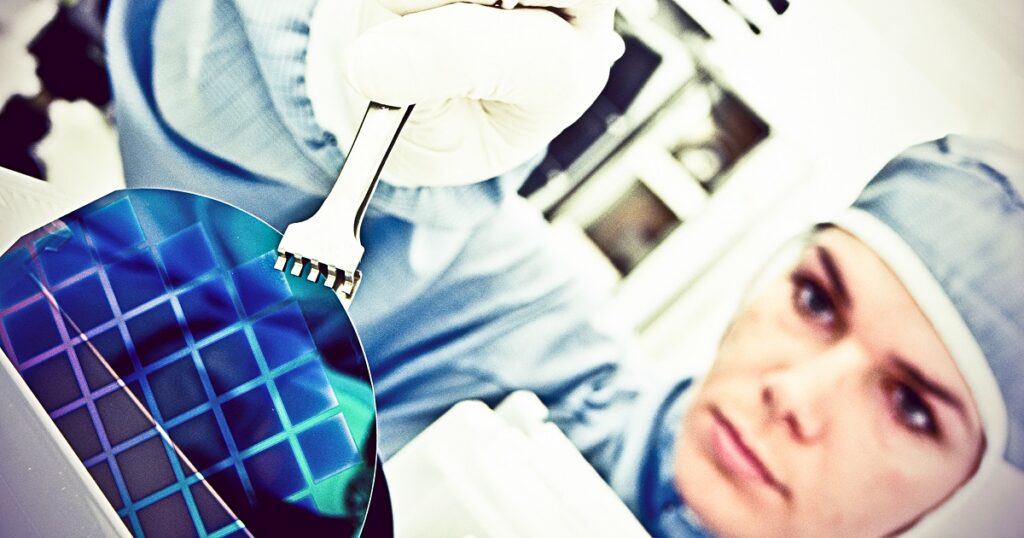
Predictive Maintenance becomes a strategic initiative in a highly complex, automated semiconductor fab. Predictive Maintenance equips process owners and maintenance personnel to proactively detect equipment-related issues before there is a breakdown, allowing owners to eke out the last bit of performance. Production and schedule adherence are protected, and unplanned stoppages avoided.


The Pygmalion effect of expecting the best results can be a key to deriving the benefits of change in a company. Knowing the company’s own value chain, placing clear expectations internally and in-line with a future, more digital self, followed by choosing the right MES and driving results through capable, motivated leadership, will deliver a digitally transformed enterprise.

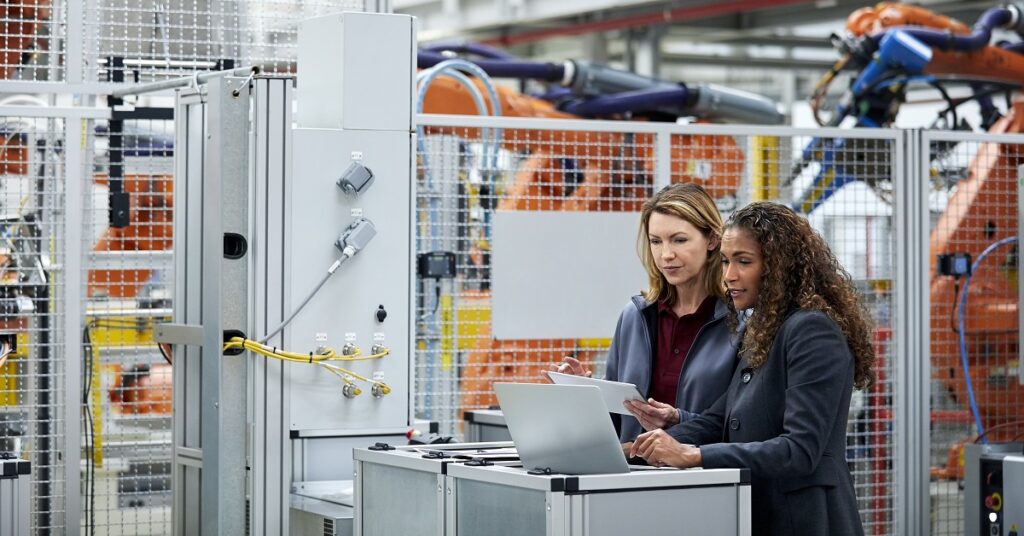
As with any global catastrophe, the pandemic forced sudden and abrupt change, which tested the mettle and resilience of every single business in the world. Manufacturing was no exception.

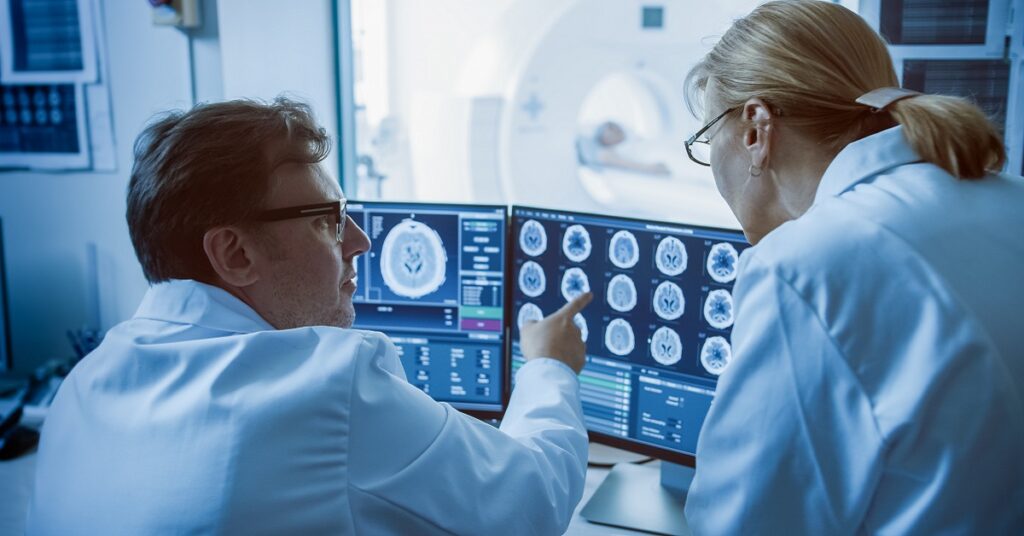
Healthcare is an industry that is almost recession-proof. Throughout the Covid pandemic, healthcare has shown strong resiliency and growth, with an industry value of over $10 trillion by 2022.


The Euro 2020 final is truly a masterclass in MES selection. How does the MES selection process relate to the Euro 2020 final? Learn from the champions and select your digital transformation partners and MES wisely.

While some industries, such as non-essential goods, were brought to a complete halt, other industries supplying goods to battle the disease (the Pharmaceutical, Clinical Diagnostic and Medical Device sectors), were expected to scale rapidly to meet the global demand for their products.
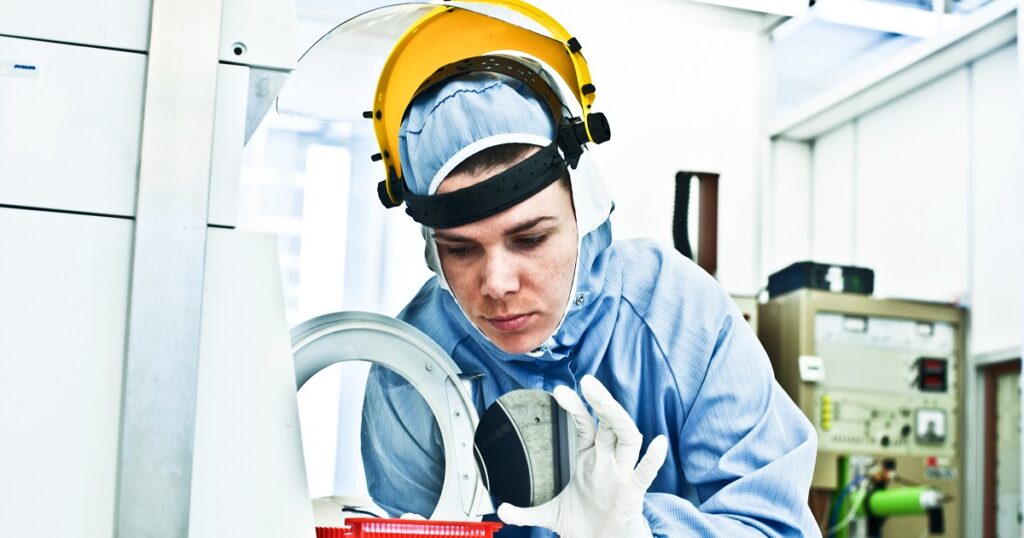
A truly Industry 4.0-enabled semiconductor fab needs more than a MES. It needs an IoT data platform, which encompasses the core MES functionality, but has the capability to unleash the potential of IoT through enhanced data storage and manipulation capabilities.

This distinction between industry segment needs is a primary reason that MES products are specialized by industry. Getting a MES/QMS system that captures the distinct processes, nomenclature, manufacturing modes and quality regulations is driven by industry-specific functionality. The selection of a specific vendor should include the focus, functionality and roadmap for that industry.