Highlight

Articles by tag:
The importance of harnessing large volumes data and the value its analysis creates has been the rhetoric behind Industry 4.0 and seen as one of the major drivers towards achieving the benefits associated with it.

The COVID-19 Pandemic is perhaps the biggest reality check for every single business entity in the world. Today, we will explore why your operation needs a MES from a digitalization and post-pandemic perspective, and how it directly contributes to building a value chain-wide reliance.

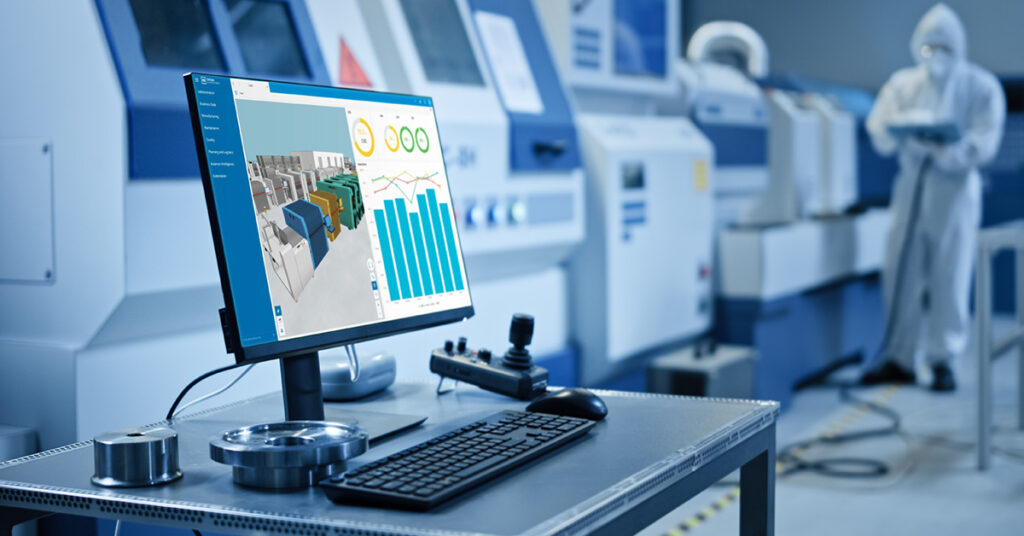
MES applications which were pre-IIoT were mostly custom built, and many times ‘closed’ systems where business and product, logic and flow were intertwined and integration with enterprise applications was optional. You need to look at the current MES deployed in your process and ask the following five questions; upon answering them, it will become clearer whether or not an overhaul can save your application or it needs to go.


As the medical device industry grows despite the pandemic (current research shows a 7% market growth) the need for an MES for process oversight and guidance becomes an even stronger argument.


Combining data from Information Technology (IT) and Operations Technology (OT) is not only essential to analysis and insights, but it is the foundation for achieving the agility and business value that companies want.


The CSA ‘represents a step-change in computer system validation, placing critical thinking at the center of the CSV process, as opposed to a traditional ‘one size fits all’ approach.’ CSA helps manufacturers achieve CSV.

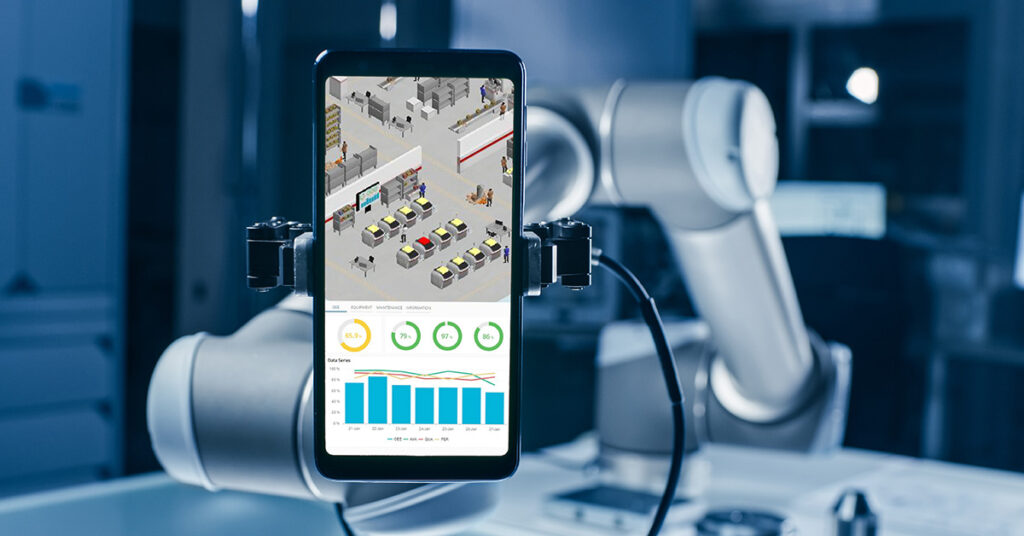
This may sound a totally impractical suggestion, but we need to ask the question: ‘Why not?’ Traditionally, factory operating systems or manufacturing executions systems (MES) have used bespoke interfaces, but the world, and technology, has moved on.


Let’s examine a use case of MES implementation where there is a high level of vertical integration, multiple product variants, and production lines executing a mix of process and discrete manufacturing modes. There are also strict compliance requirements with paper-based capture of process data. Essentially, the MES is crucial to the manufacturing process and the value chain.

One technology which is becoming extremely popular is the ‘containerization’ of applications; the most popular provider of containers being Docker. Our goal here it is to establish how applications or functions within larger applications can be created, modified and deployed better when they are containerized and the fact that this is much a cheaper and faster option for the organization which intends to use the applications.