Highlight

Articles by tag:
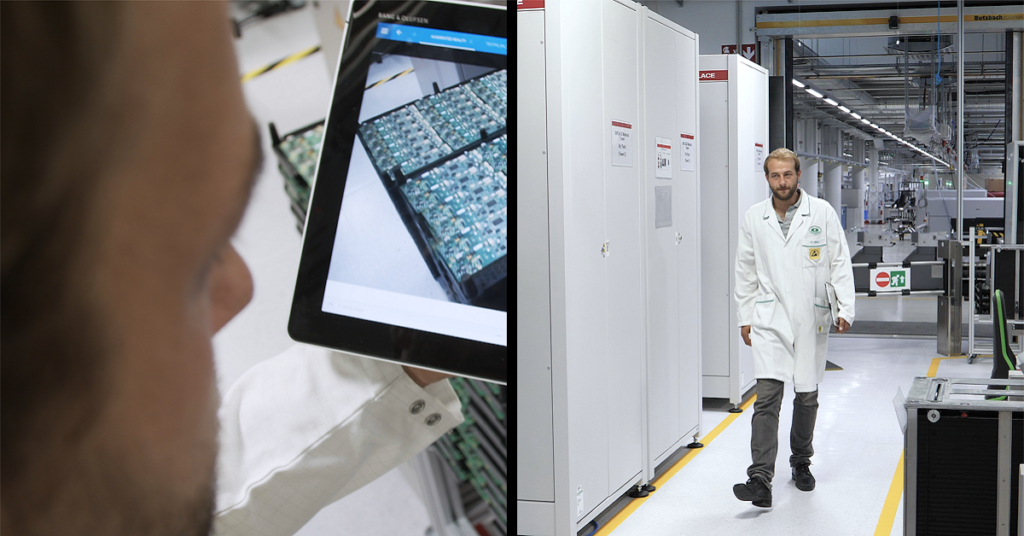
There is a lot of talk about the technology behind Industry 4.0 and digitalization, but this is not the most important consideration – people are. Afterall, it is people that make technology happen, that change how we manufacture, and, ultimately, the needs of whom the whole manufacturing process is designed to fulfill.


Combining data from Information Technology (IT) and Operations Technology (OT) is not only essential to analysis and insights, but it is the foundation for achieving the agility and business value that companies want.

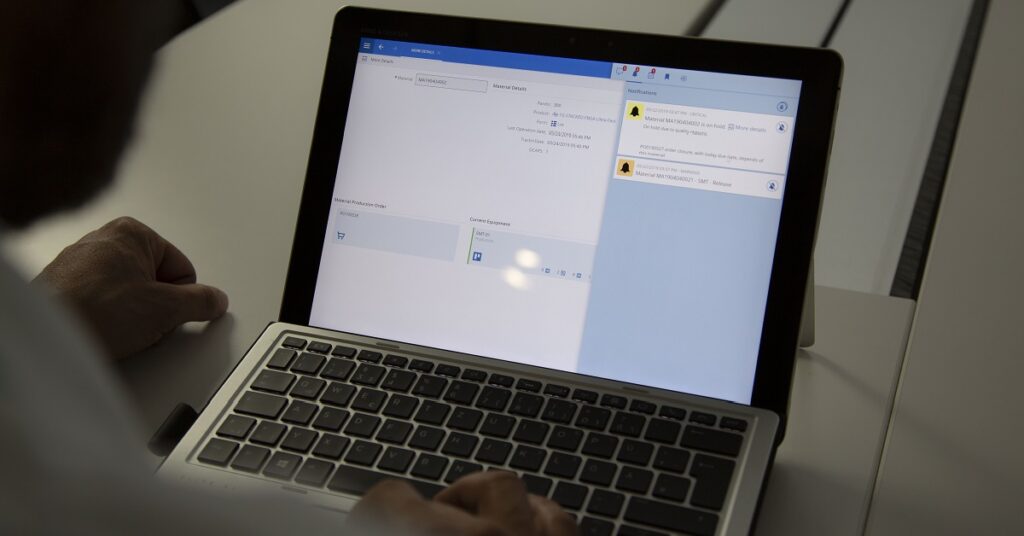
The CSA ‘represents a step-change in computer system validation, placing critical thinking at the center of the CSV process, as opposed to a traditional ‘one size fits all’ approach.’ CSA helps manufacturers achieve CSV.

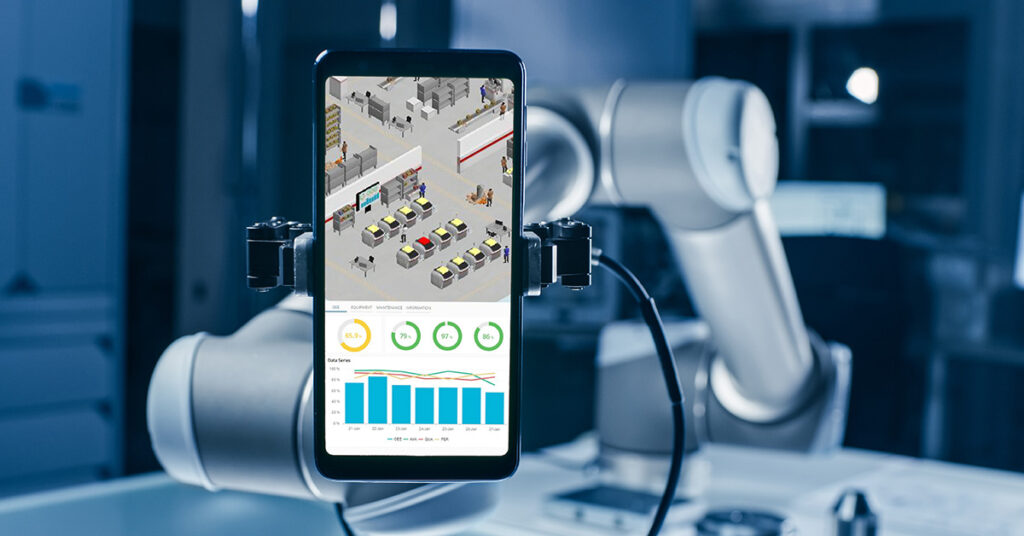
This may sound a totally impractical suggestion, but we need to ask the question: ‘Why not?’ Traditionally, factory operating systems or manufacturing executions systems (MES) have used bespoke interfaces, but the world, and technology, has moved on.

Let’s examine a use case of MES implementation where there is a high level of vertical integration, multiple product variants, and production lines executing a mix of process and discrete manufacturing modes. There are also strict compliance requirements with paper-based capture of process data. Essentially, the MES is crucial to the manufacturing process and the value chain.

One technology which is becoming extremely popular is the ‘containerization’ of applications; the most popular provider of containers being Docker. Our goal here it is to establish how applications or functions within larger applications can be created, modified and deployed better when they are containerized and the fact that this is much a cheaper and faster option for the organization which intends to use the applications.


From an ideal Industry 4.0 perspective, the approach which is highly recommended is to have the QMS data reside within the MES itself, rather than as a siloed system. Since a MES contains both the master data and the process data which it captures in real time, it is the single source of truth feeding other IT applications, including the QMS.


Why replace a working MES with a new MES? There are many reasons, and they must be sound and significant for most companies to take on such a major endeavor. Industry 4.0 and an array of emerging digital technologies make the prospect of upgrading your MES attractive—taking advantage of new technologies; reducing a ‘hodgepodge’ of applications for a centrally-managed, cohesive application framework; and addressing hardware/software end of life issues with no migration path.

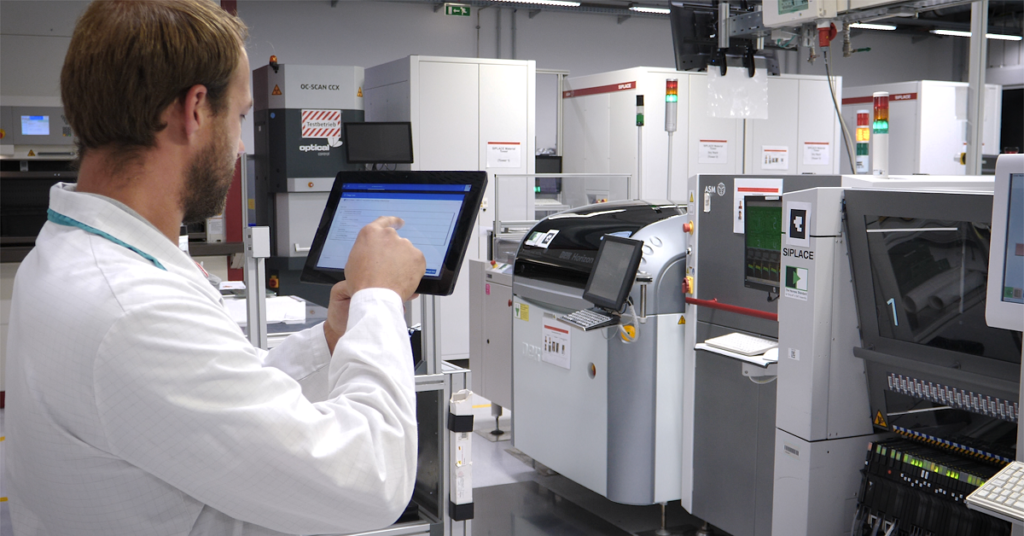
If you are running a paperless program in manufacturing or thinking about starting it, this article is a must read. And I have chosen to start it by giving you already the three main takeaways:
Prone to human error, inefficient and inflexible, predisposed to decision lag are hidden costs of paper-based systems; The choice of the right tool to go paperless shall consider its Integration Capabilities and Configurability, Usability, and Mobility; This is a journey. Start to process your data quickly with an easy-to-use interface and soon you will get deeper insights to rethink your manufacturing processes.