Highlight

Articles by tag:
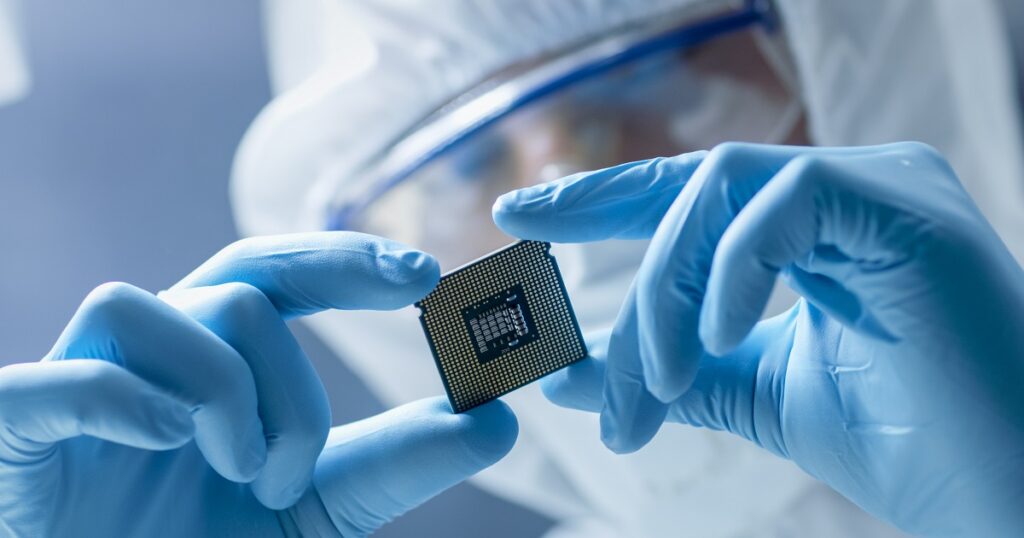
The Semiconductor Industry has been at the forefront of digitalization. Chips manufactured by the industry have enabled increased data storage, real- time data processing at the edge and the very manifestation of IIoT and AI in value chains worldwide. However, the automotive and medical device industries are outpacing semiconductor in terms of digitalization, with the semiconductor industry lagging behind.

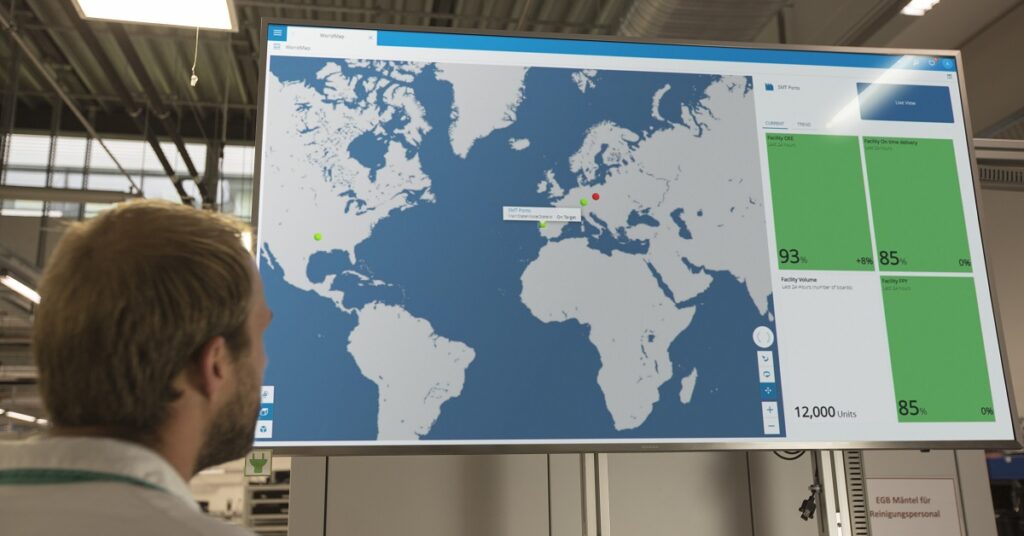
How does one implement an MES across multiple manufacturing plants, separated not just geographically but perhaps by operational style, IT infrastructure, work culture, and process technology?


After being named as a leader in the 2021 Gartner Magic Quadrant for MES, our MES scored highest out of 19 vendors evaluated for “Batch/Repetitive Flow Manufacturing”, “Complex Discrete Manufacturing” and “Highly Regulated Industries”. We are proud to say that our modern MES ranked highest for the complex manufacturing styles it was designed for.

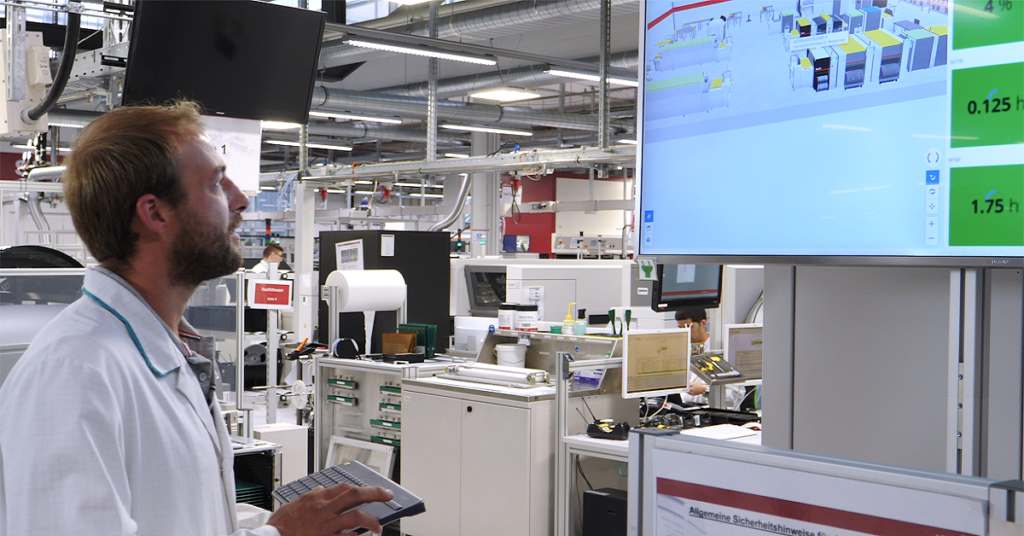
A modern MES is capable of providing manufacturers much more than traceability; in fact, the right MES data platform, which is IIoT enabled and has the capability of integrating with IT applications both from automation layer to the ERP/SCM/WMS layer, can act as the cornerstone to successfully answer market needs.

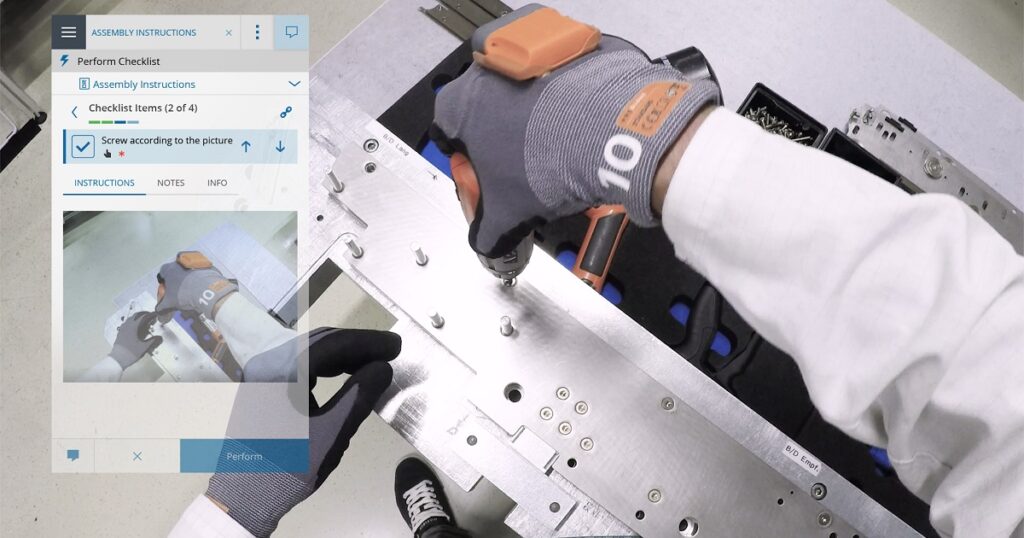
If you have the right MES application deployed, the speed of your digitalization efforts does not need to be subject to your employee’s skill development; it can be done simultaneously and organically to deliver the best results. Having the right MES will help your organization harness your specific and unique organizational knowledge, and develop a new stream of knowledge.


The Automated Validation approach is crucial in helping companies to reduce the time and cost of their validation efforts by at least 60-70%.

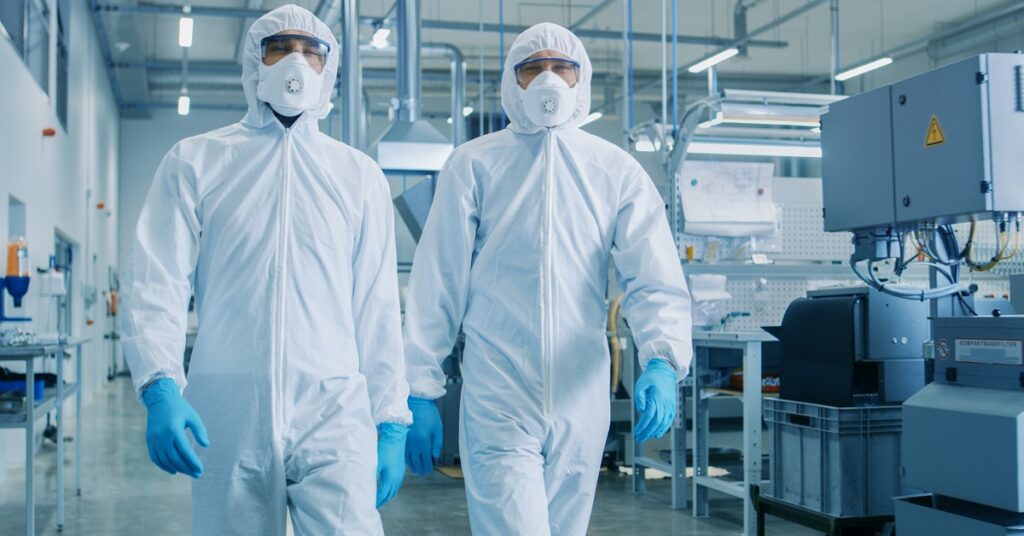
The COVID-19 Pandemic is perhaps the biggest reality check for every single business entity in the world. Today, we will explore why your operation needs a MES from a digitalization and post-pandemic perspective, and how it directly contributes to building a value chain-wide reliance.

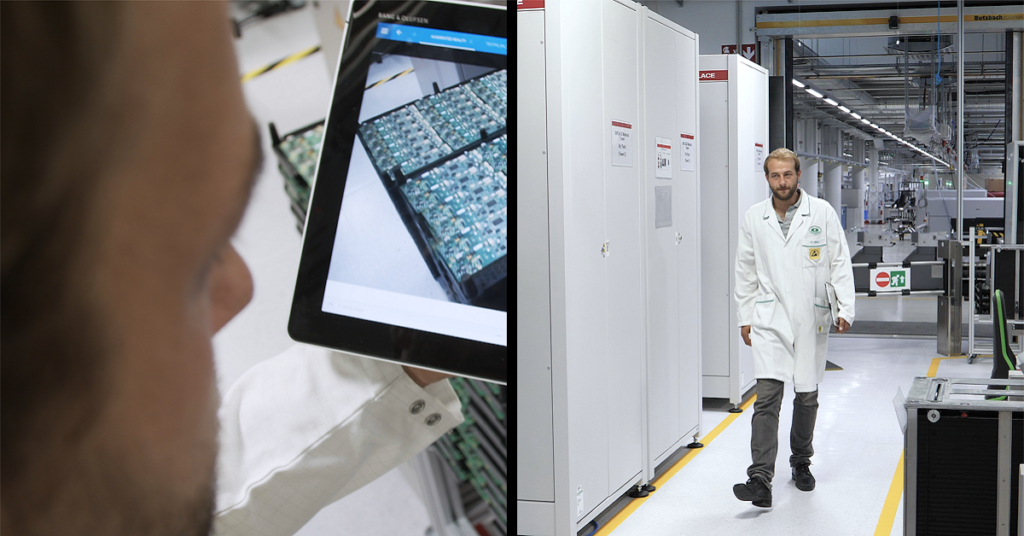
There is a lot of talk about the technology behind Industry 4.0 and digitalization, but this is not the most important consideration – people are. Afterall, it is people that make technology happen, that change how we manufacture, and, ultimately, the needs of whom the whole manufacturing process is designed to fulfill.


One technology which is becoming extremely popular is the ‘containerization’ of applications; the most popular provider of containers being Docker. Our goal here it is to establish how applications or functions within larger applications can be created, modified and deployed better when they are containerized and the fact that this is much a cheaper and faster option for the organization which intends to use the applications.