Highlight

Articles by tag:
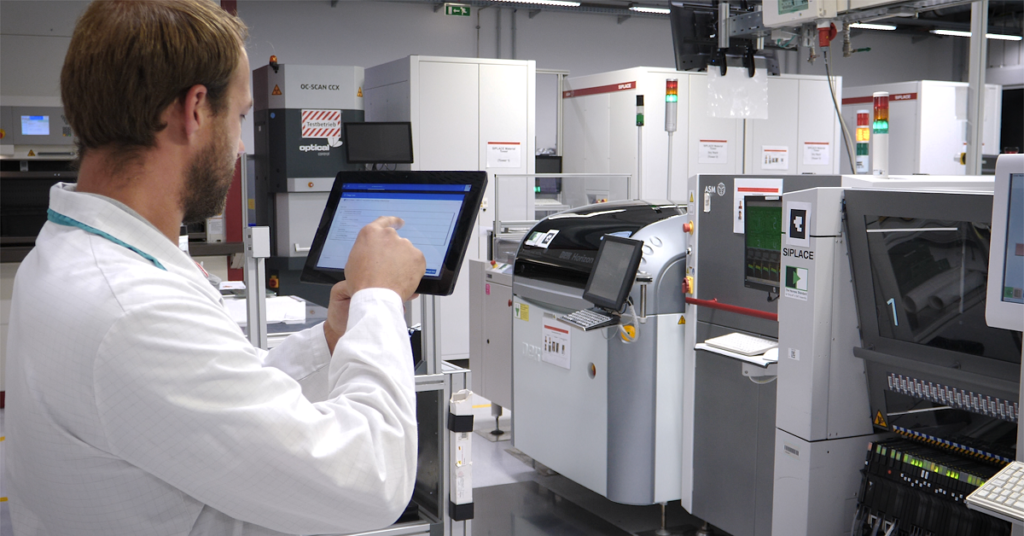
If you are running a paperless program in manufacturing or thinking about starting it, this article is a must read. And I have chosen to start it by giving you already the three main takeaways:
Prone to human error, inefficient and inflexible, predisposed to decision lag are hidden costs of paper-based systems; The choice of the right tool to go paperless shall consider its Integration Capabilities and Configurability, Usability, and Mobility; This is a journey. Start to process your data quickly with an easy-to-use interface and soon you will get deeper insights to rethink your manufacturing processes.

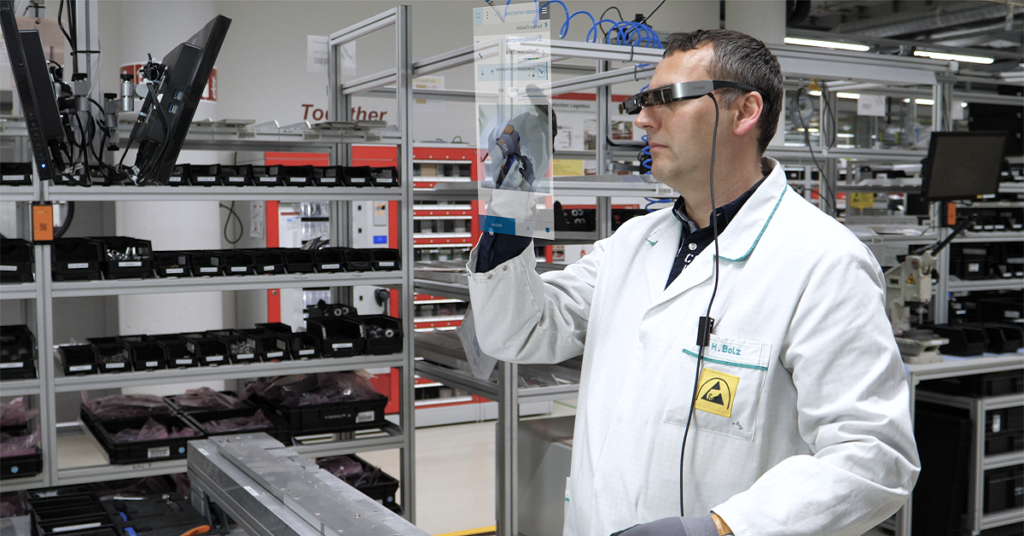
Companies which approach digital transformation from a strategic standpoint and pursue the step changes required for enabling this new revolution reinvigorate their value chain and have the opportunity to achieve unprecedented results from their operations and extended supply chain.


Industry 4.0, the fourth Industrial Revolution, is the promise to manufacturing companies of lower costs, higher quality, faster processing with theoretical ‘lots of one.’ It is a marketplace, where smart products and smart equipment can interact autonomously for dynamic optimization on the fly.


ROI: Return on Investment. It’s a standard measurement criteria used for most complex or costly endeavors, where the factors of time, funds and people are involved: buying a new piece of capital equipment; investing in a new production line; or buying a software product which has vast organizational impact, such as an ERP or MES.
For IT projects, an ROI exercise is a given.

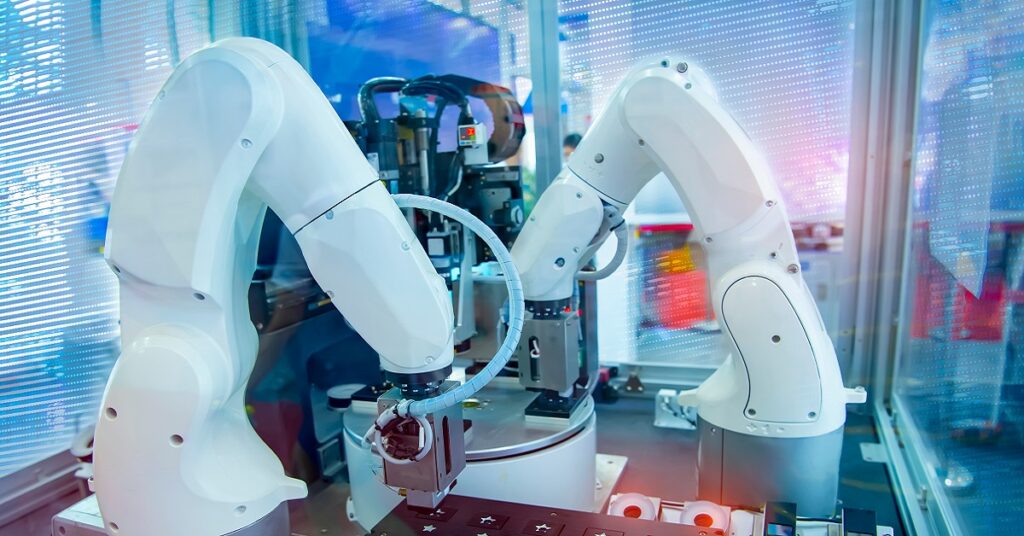
The term Autonomous Factory has gained popularity in the context of Industry 4.0. In this article, we will discuss what an autonomous factory means and how manufacturers with multiple plants across the globe can move towards this coveted autonomous manufacturing infrastructure in their value chains.


Today we will discuss the future of manufacturing, examining the effects that new technologies and the pandemic are having in shaping its future. We will review the need for digital transformation and building resilience in global manufacturing supply chains.


If there’s one thing over everything else that’s going to ruin your plans for manufacturing excellence, it’s uncertainty. And that is something we have in abundance right now.


There are several reasons why MES needs Implementation Providers. These are companies focused on providing services, with a MES practice developed over many years, often with a strong MES-specific project methodology in place, and having the success of the project as the main objective.
Recently, the leading technology market analysis firm ARC released a market report – “How Digital Transformation is Changing the Business Value of Connectivity to Machines”.
In today’s increasingly complex global competitive environment, real-time information is vital to help manufacturers at both the plant and enterprise levels make decisions that improve efficiency and effectiveness, bringing intelligence to their business.