Highlight

Articles by tag:
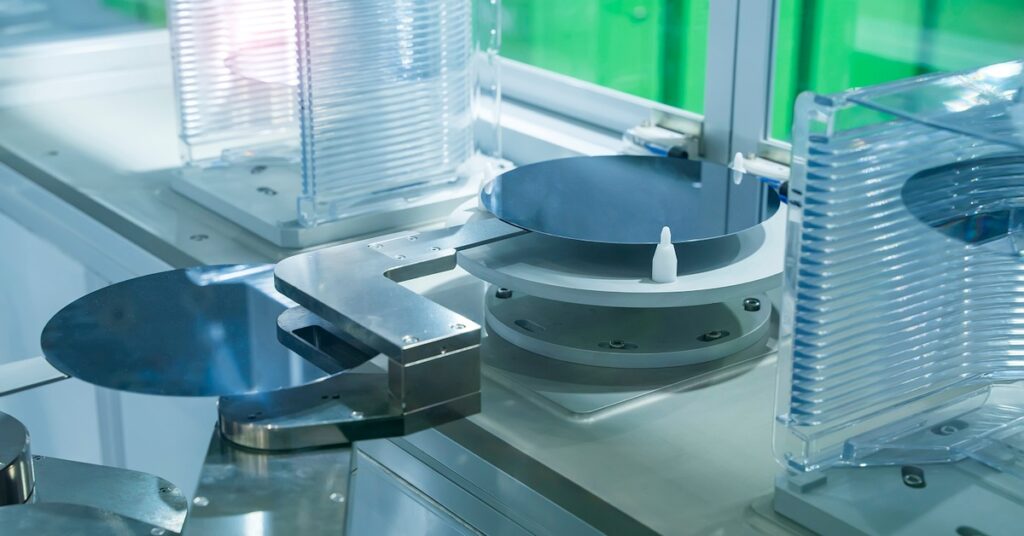
As manufacturing relies on increasingly more complex equipment, the management of the recipes that the equipment will use for a certain process becomes increasingly important. Not only it’s a basic requirement to ensure that the right recipe is used for the right process, but also the recipe information is a key enabler for performance and efficiency improvement.

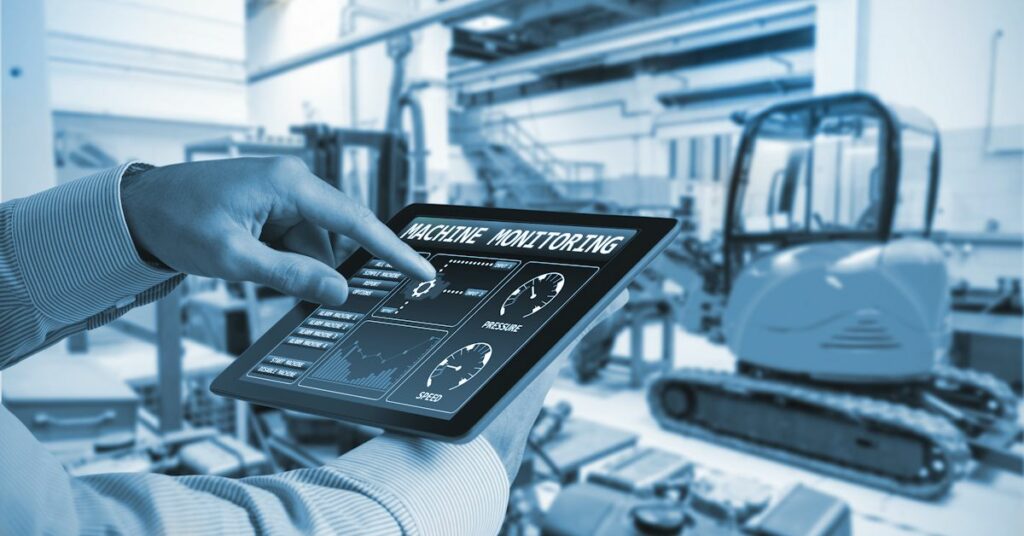
It is no secret technology keeps advancing. Today, it seems to do so at an accelerated pace with a level of innovation that is nothing short of spectacular! These advances have created new opportunities for manufacturers to explore new ways to increase productivity. At the same time, these technologies have opened up greater global competition, which is now placing new pressure to be more creative with how work gets done.

I am John Meulemeester from www.mesa.org and I would like to add some feedback to Francisco’s comments, focused on some particular items.
For me, SCADA and MES are not the same and should be separated. In my 30+ years visiting factories that produce everything you can imagine, I have personally witnessed that most manufacturers have some kind of HMI/SCADA

I just read CapGemini’s Smart factories @ scale
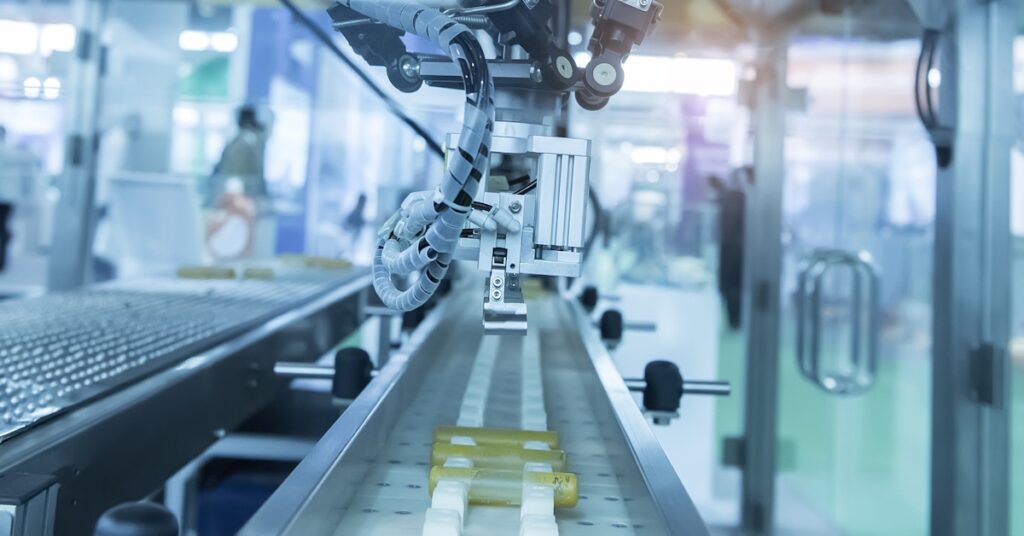
report. Some of the numbers in it caught my eye.
The report is good and the methodology seems solid. And yet I believe that with such self-reported research, we need to take the findings with a grain of salt. I will be doing some critical analysis in this post.

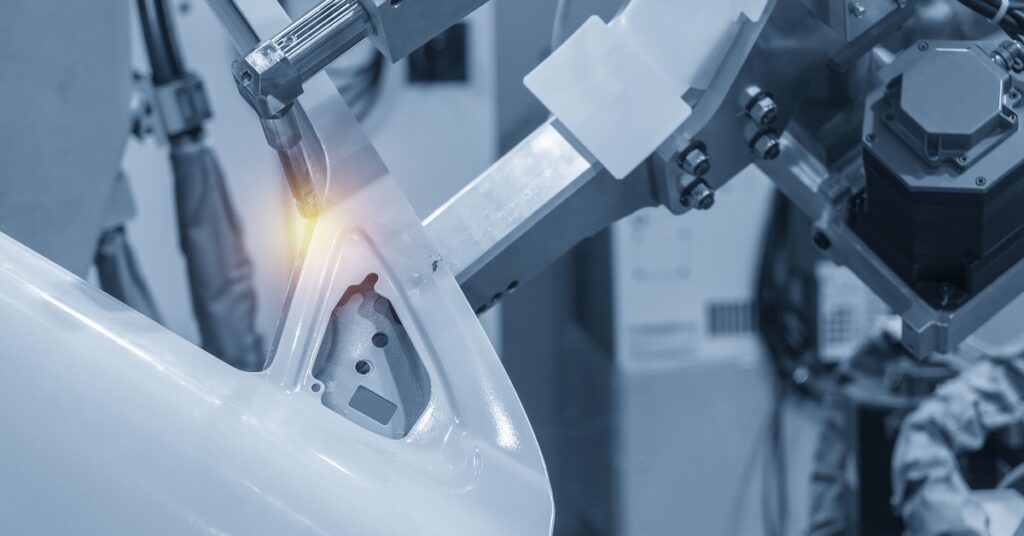
As automotive manufacturers continue to accelerate the pace of electrification within their industry, it may surprise you that this might not be the greatest challenge facing these manufacturers, their technology partners and their internal IT departments.


We live in a world where digital technologies have warped what we now consider “normal.” For example, with the rise of the Internet of Things (IoT), it is now widely accepted that by next year, the IoT will comprise more than 30 billion connected devices. Can you imagine what 30 billion devices look like? If we are going to make sense of all this data, then we’ll need a better way to process and act upon it. Augmented Reality could be our best option.

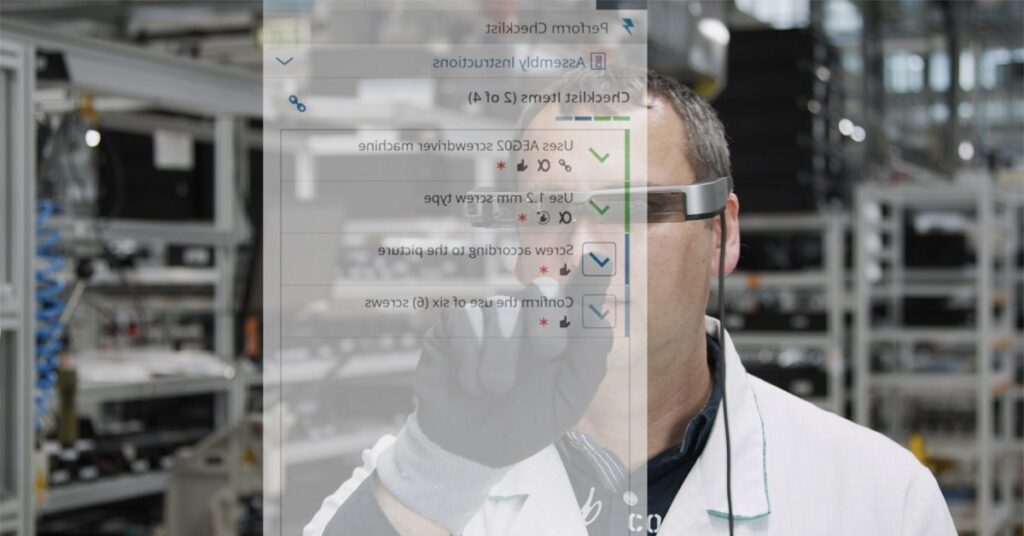
With all the focus on new technologies and how the world of manufacturing is digitally transforming, it is easy to lose sight of what the repercussions will be with regards to how people will do their job. One thing is certain – it will be different!


Instead of a painful, time-consuming and costly process, what if being audited by the FDA, or any other regulatory body, was just part of the day to day routine? For the MedTech industry this makes perfect sense – it would not only reduce the financial overheads associated with being audited, it would also substantially reduce time and business risk.

Perhaps the most important feature of the smart factory, its connected nature, is also one of its most crucial sources of value. Smart factories require the underlying processes and materials to be connected to generate the data necessary to make real-time decisions. In a truly smart factory, assets are fitted with smart sensors so systems can continuously pull data sets from both new and traditional sources.