Highlight

Articles by industry:
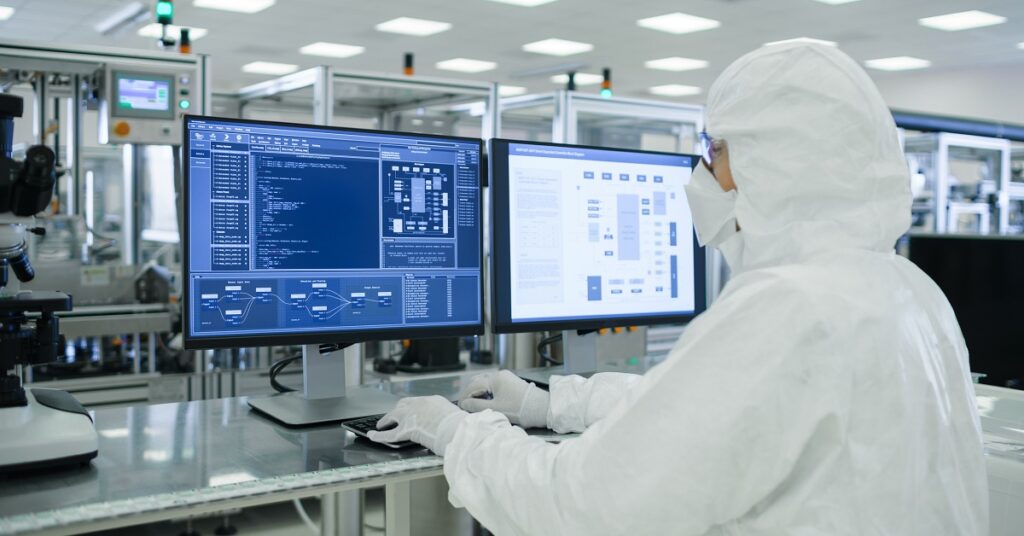
Critical Manufacturing hosted a webinar with Julie Fraser, based on a survey of over 300 executives from around the world. It explored how the leaders are pursuing data management and what should be the priorities related to data management in manufacturing.


What in the world does the IKEA effect have to do with software, and more specifically with MES? A truly modern MES application should, by virtue of its design, have the IKEA effect built in and as a part of its standard outlay.

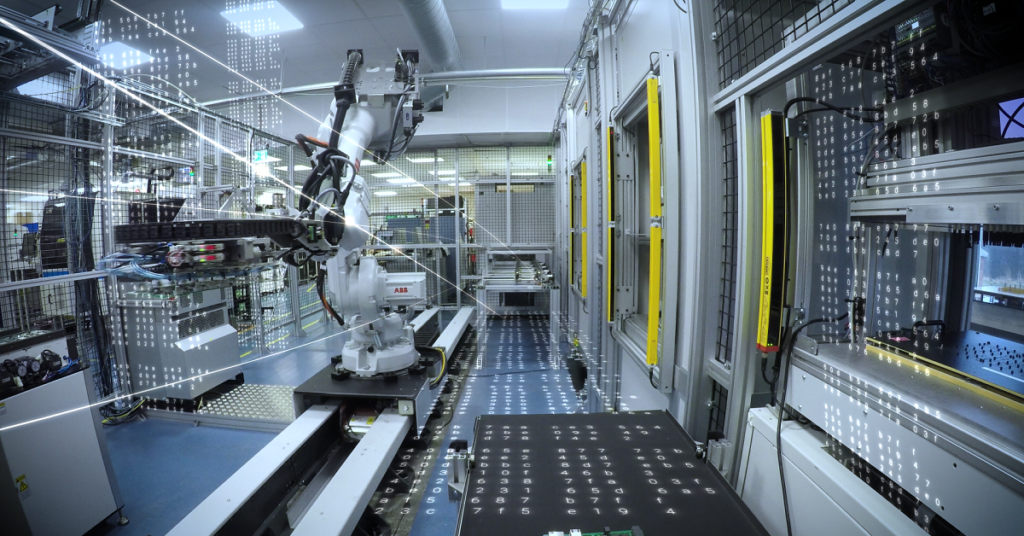
The importance of harnessing large volumes data and the value its analysis creates has been the rhetoric behind Industry 4.0 and seen as one of the major drivers towards achieving the benefits associated with it.


The COVID-19 Pandemic is perhaps the biggest reality check for every single business entity in the world. Today, we will explore why your operation needs a MES from a digitalization and post-pandemic perspective, and how it directly contributes to building a value chain-wide reliance.
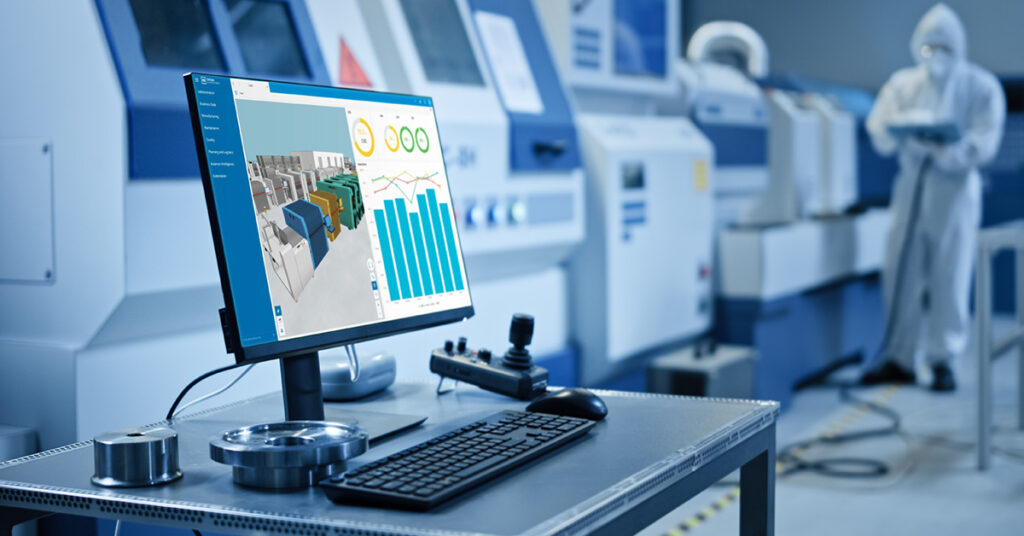
MES applications which were pre-IIoT were mostly custom built, and many times ‘closed’ systems where business and product, logic and flow were intertwined and integration with enterprise applications was optional. You need to look at the current MES deployed in your process and ask the following five questions; upon answering them, it will become clearer whether or not an overhaul can save your application or it needs to go.

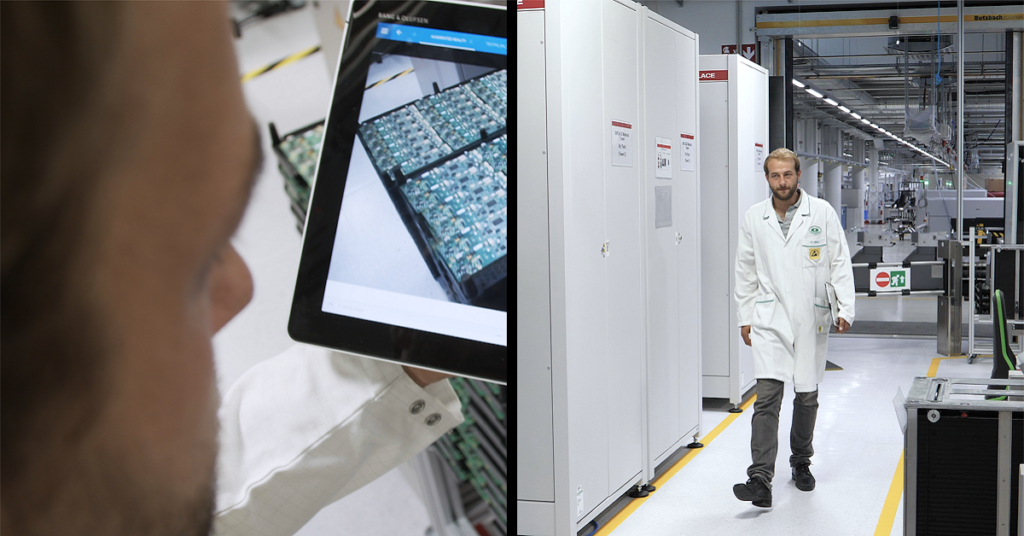
There is a lot of talk about the technology behind Industry 4.0 and digitalization, but this is not the most important consideration – people are. Afterall, it is people that make technology happen, that change how we manufacture, and, ultimately, the needs of whom the whole manufacturing process is designed to fulfill.
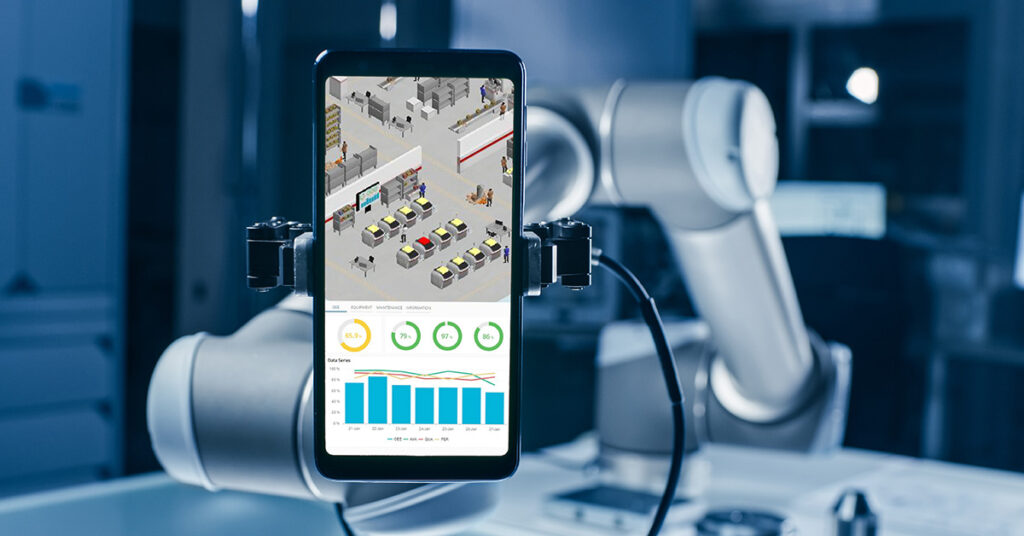
This may sound a totally impractical suggestion, but we need to ask the question: ‘Why not?’ Traditionally, factory operating systems or manufacturing executions systems (MES) have used bespoke interfaces, but the world, and technology, has moved on.

One technology which is becoming extremely popular is the ‘containerization’ of applications; the most popular provider of containers being Docker. Our goal here it is to establish how applications or functions within larger applications can be created, modified and deployed better when they are containerized and the fact that this is much a cheaper and faster option for the organization which intends to use the applications.


Why replace a working MES with a new MES? There are many reasons, and they must be sound and significant for most companies to take on such a major endeavor. Industry 4.0 and an array of emerging digital technologies make the prospect of upgrading your MES attractive—taking advantage of new technologies; reducing a ‘hodgepodge’ of applications for a centrally-managed, cohesive application framework; and addressing hardware/software end of life issues with no migration path.