Highlight

Articles by industry:
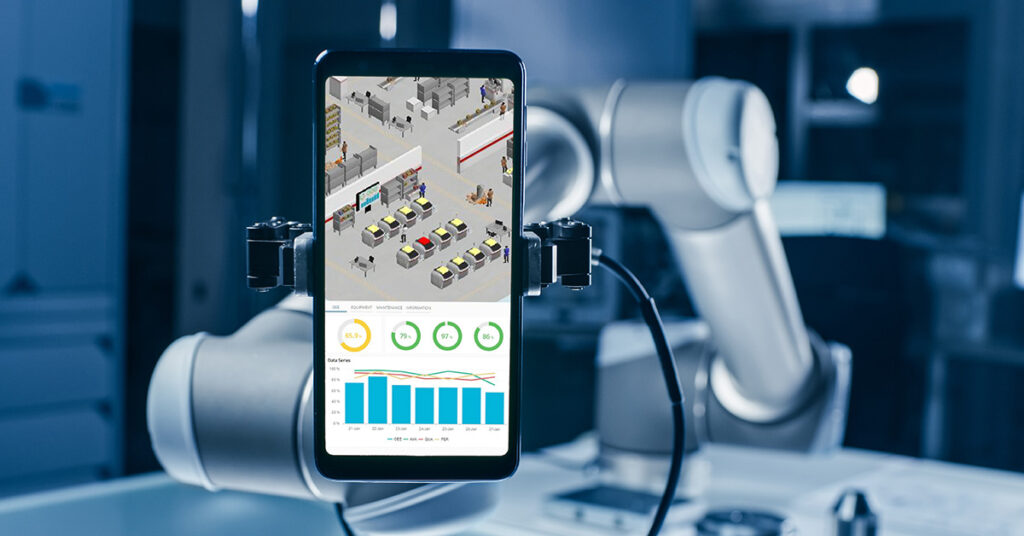
This may sound a totally impractical suggestion, but we need to ask the question: ‘Why not?’ Traditionally, factory operating systems or manufacturing executions systems (MES) have used bespoke interfaces, but the world, and technology, has moved on.


One technology which is becoming extremely popular is the ‘containerization’ of applications; the most popular provider of containers being Docker. Our goal here it is to establish how applications or functions within larger applications can be created, modified and deployed better when they are containerized and the fact that this is much a cheaper and faster option for the organization which intends to use the applications.


Why replace a working MES with a new MES? There are many reasons, and they must be sound and significant for most companies to take on such a major endeavor. Industry 4.0 and an array of emerging digital technologies make the prospect of upgrading your MES attractive—taking advantage of new technologies; reducing a ‘hodgepodge’ of applications for a centrally-managed, cohesive application framework; and addressing hardware/software end of life issues with no migration path.

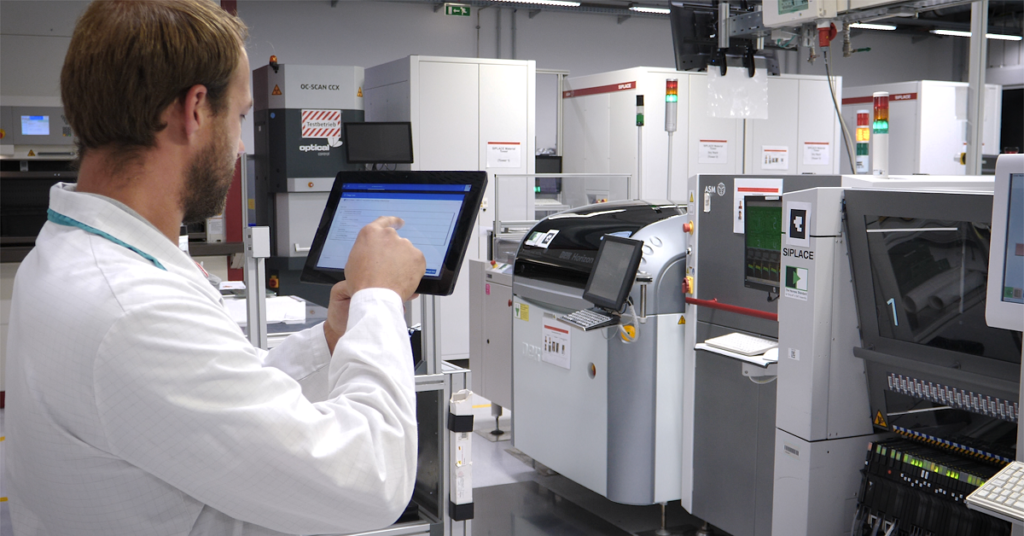
If you are running a paperless program in manufacturing or thinking about starting it, this article is a must read. And I have chosen to start it by giving you already the three main takeaways:
Prone to human error, inefficient and inflexible, predisposed to decision lag are hidden costs of paper-based systems; The choice of the right tool to go paperless shall consider its Integration Capabilities and Configurability, Usability, and Mobility; This is a journey. Start to process your data quickly with an easy-to-use interface and soon you will get deeper insights to rethink your manufacturing processes.


Critical Manufacturing increased its sales representative base significantly in 2020 for the Electronics and SMT Industry in North America. We’ve added a category called Manufacturer’s Reps. What is the reasoning behind this?