Highlight

Articles by industry:

While 3D printing or additive manufacturing has vast potential in reducing lead times for discrete and customized manufactured products/parts, it is vital that the MES being used to usher in the technology is ready for the changes which will occur across the value chain, in order to ensure that the true potential of the technology and other Industry 4.0 technologies being used in tandem are realized.

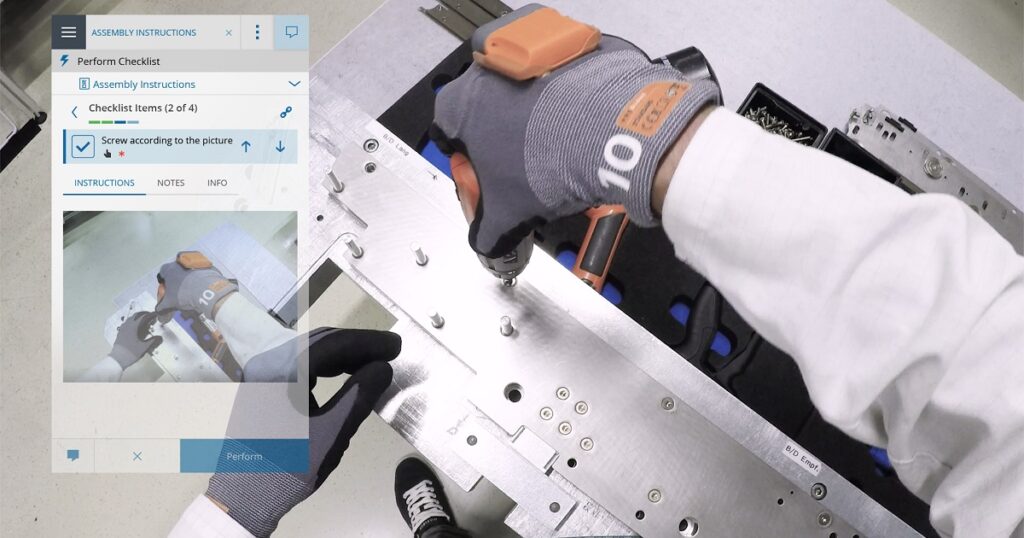
If you have the right MES application deployed, the speed of your digitalization efforts does not need to be subject to your employee’s skill development; it can be done simultaneously and organically to deliver the best results. Having the right MES will help your organization harness your specific and unique organizational knowledge, and develop a new stream of knowledge.

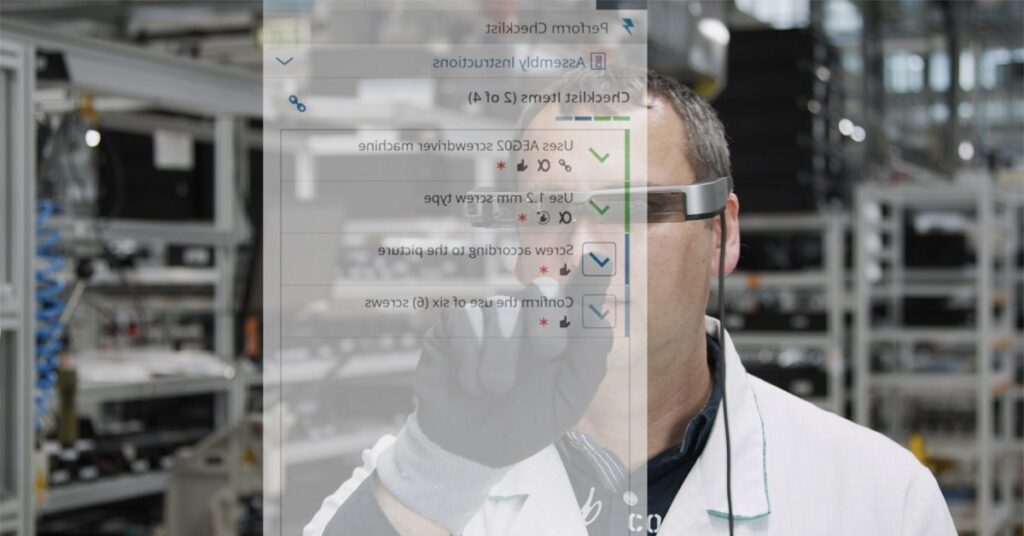
Industry 4.0 leverages both the Internet of Things-based devices and cloud-based computing, using AR and/or VR for an enriched and immersive experience, enabling enterprises to react faster. Armed with high quality information, the resulting actions help to achieve Industry 4.0 benefits associated with speed, accuracy, clarity and in some cases, innovation.

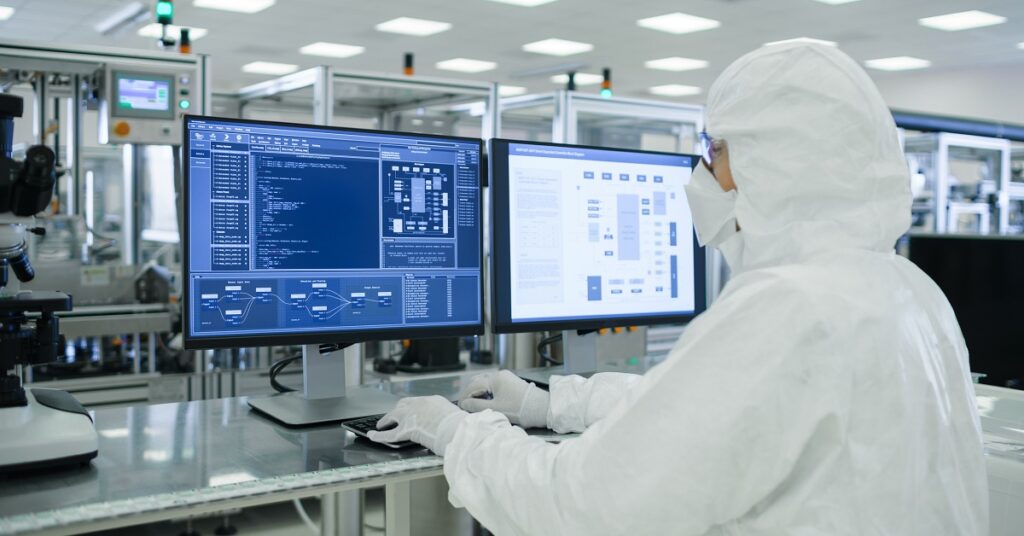
Critical Manufacturing hosted a webinar with Julie Fraser, based on a survey of over 300 executives from around the world. It explored how the leaders are pursuing data management and what should be the priorities related to data management in manufacturing.


What in the world does the IKEA effect have to do with software, and more specifically with MES? A truly modern MES application should, by virtue of its design, have the IKEA effect built in and as a part of its standard outlay.

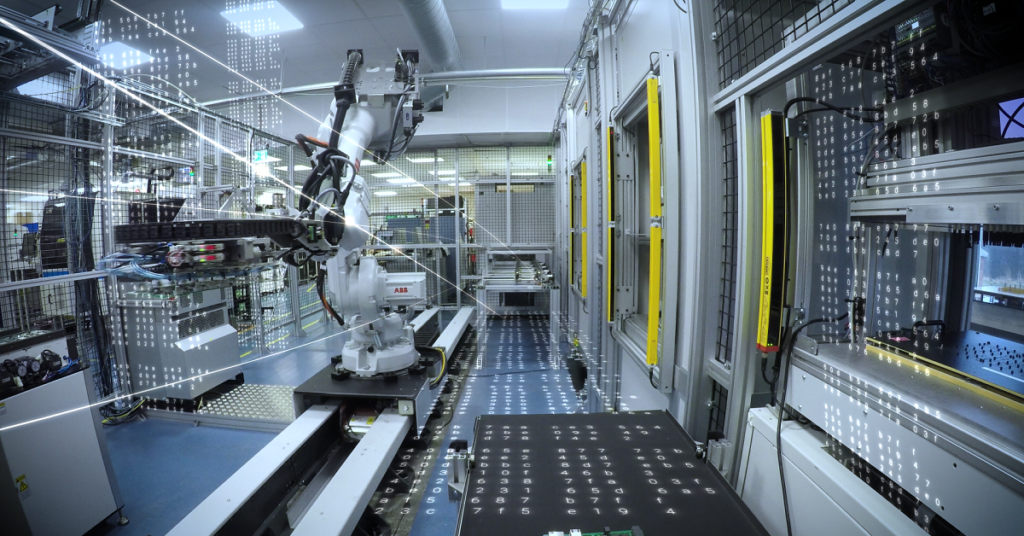
The importance of harnessing large volumes data and the value its analysis creates has been the rhetoric behind Industry 4.0 and seen as one of the major drivers towards achieving the benefits associated with it.

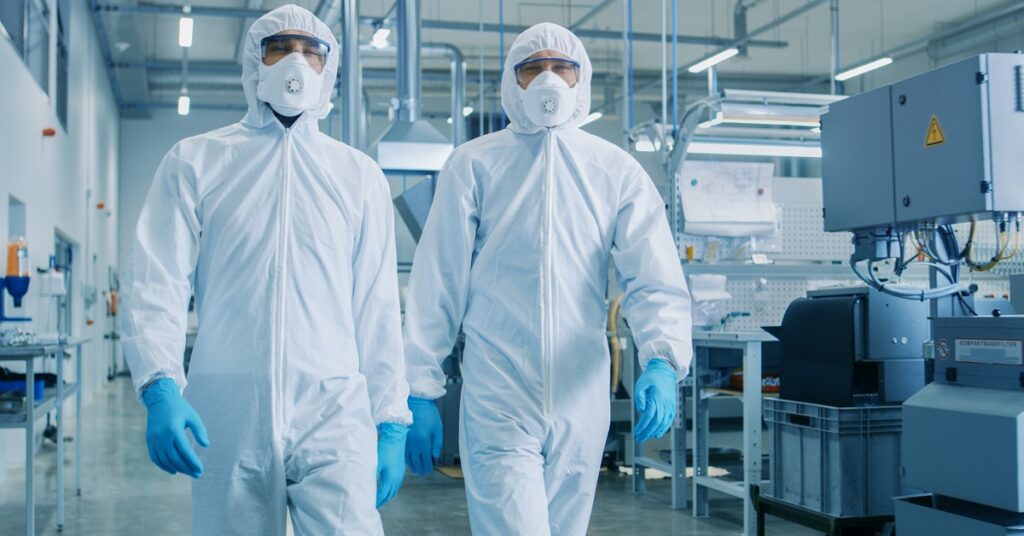
The COVID-19 Pandemic is perhaps the biggest reality check for every single business entity in the world. Today, we will explore why your operation needs a MES from a digitalization and post-pandemic perspective, and how it directly contributes to building a value chain-wide reliance.
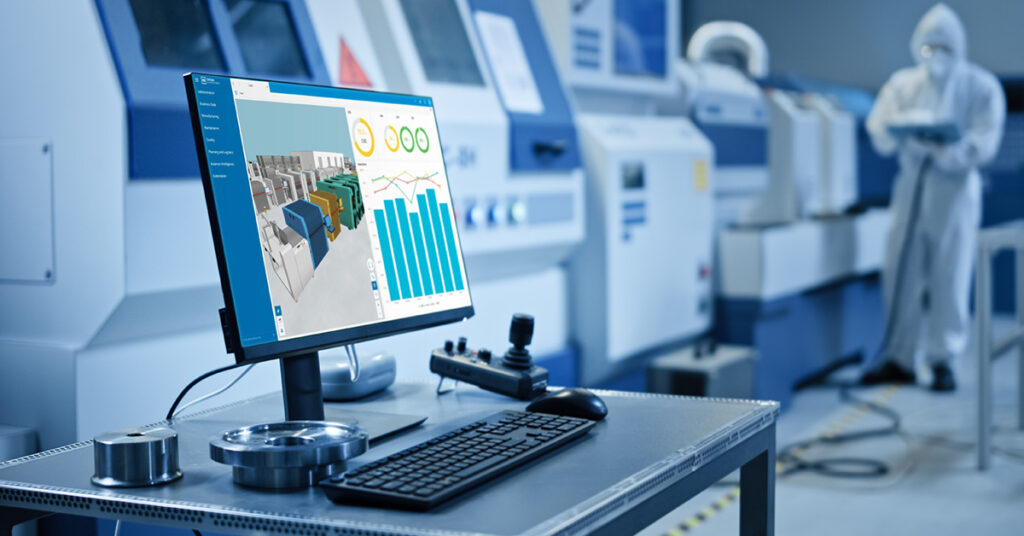
MES applications which were pre-IIoT were mostly custom built, and many times ‘closed’ systems where business and product, logic and flow were intertwined and integration with enterprise applications was optional. You need to look at the current MES deployed in your process and ask the following five questions; upon answering them, it will become clearer whether or not an overhaul can save your application or it needs to go.
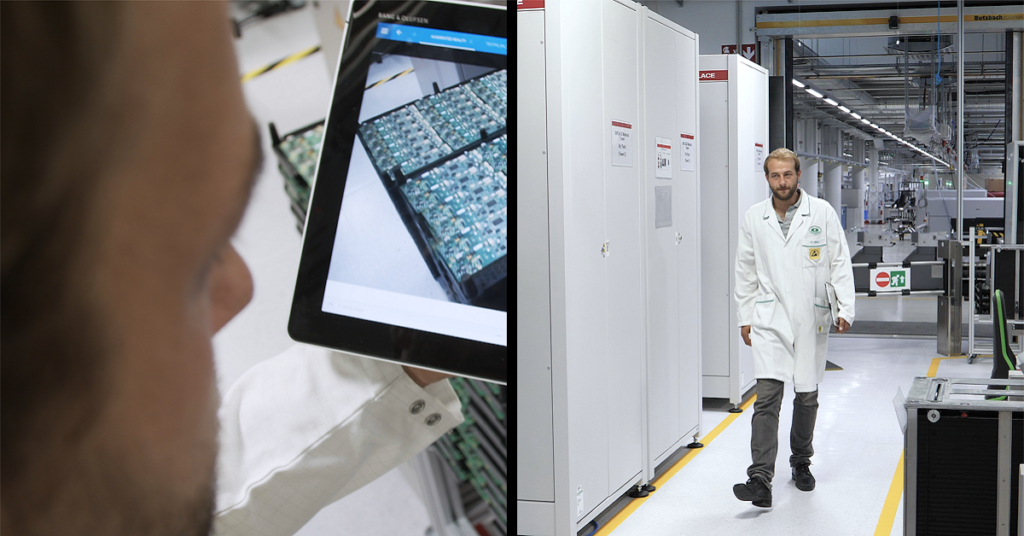
There is a lot of talk about the technology behind Industry 4.0 and digitalization, but this is not the most important consideration – people are. Afterall, it is people that make technology happen, that change how we manufacture, and, ultimately, the needs of whom the whole manufacturing process is designed to fulfill.