Highlight

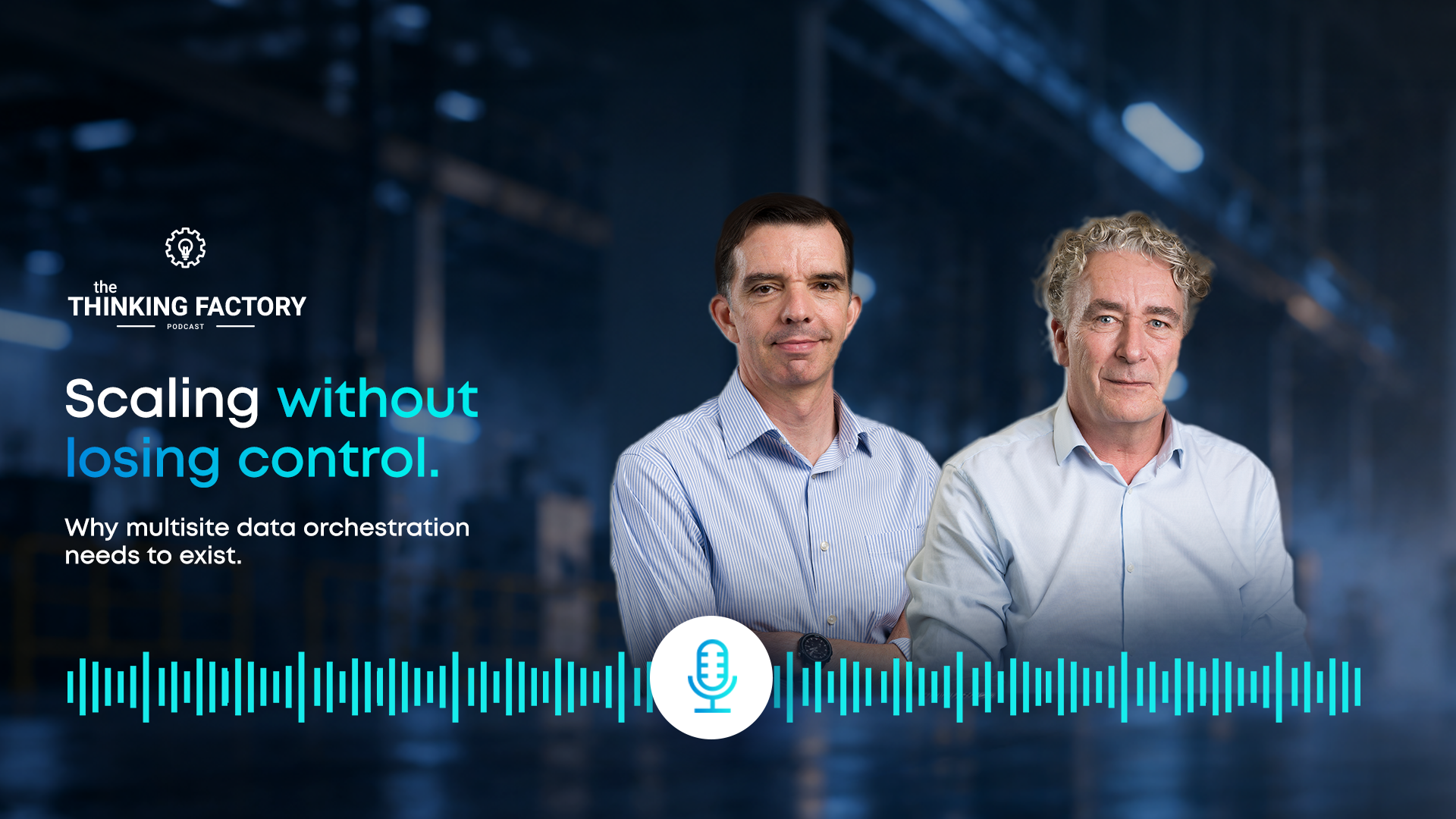
Successful industrial AI at scale requires a strong digital backbone. Before manufacturers can roll AI out across a factory network, they need standardized processes, reliable data models, and plants that operate in a coordinated way. In this episode, Paul Straeten, a former life-sciences and ERP leader, explains how to scale operations across dozens of plants and where AI fits into that work.
Manufacturers cannot skip foundational work such as process design, data modeling, and operational standardization. While AI can accelerate improvement, it cannot compensate for inconsistent processes or fragmented data. Companies that rush into AI without establishing these fundamentals risk hitting the same organizational and data barriers later.
Large manufacturers usually operate multiple plants that were built at different times, acquired through mergers and acquisitions, or optimized for different products. As a result, each site often has its own systems, technologies, and ways of working. Effective digital transformation requires coordinating and harmonizing these differences rather than assuming all sites can immediately operate under a single model. This is the reason multisite data orchestration becomes essential.
Executives naturally want rapid deployment and quick results across all factories, especially under competitive pressure. However, sustainable scaling comes from regularly validating the transformation strategy, adapting to new technologies, and ensuring every initiative is built on consistent data and processes. The tension between speed and preparation is resolved by recognizing that strong foundations are what ultimately enable faster and more controlled scaling.
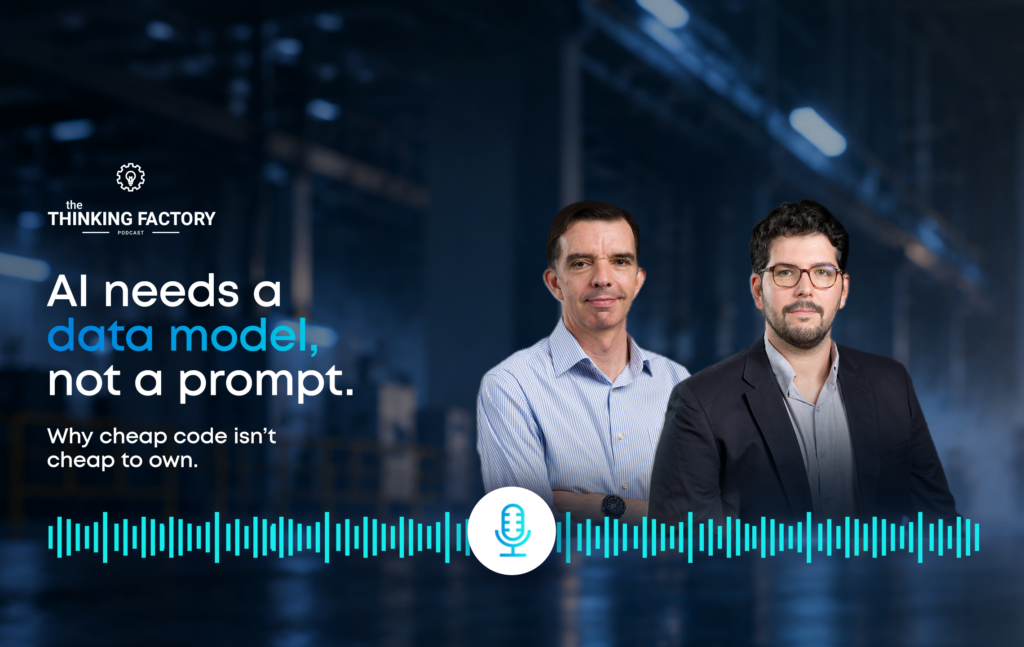
AI has made software cheap to write, but owning it is still expensive. In this episode, João Roque, Tech Advocate at Critical Manufacturing, explains why AI is only as good as the data model underneath it.
WATCH NOW